Product designer, builder, and a wannabe design engineer. years designing B2B software (which is a long stretch to spend on screens most people never see, but I digress). Right now that is Autodesk, where I work on asset intelligence for maintenance. Before the acquisition it was MaintainX, where the person using the app is standing under a broken conveyor with one hand free and a shift ending in twenty minutes.
Before that, card issuing infrastructure at Pomelo and delivery routing at Mercado Libre. These days most of my prototypes start in code, with a coding agent working next to me (or should I say in front?). I still think that if it needs a tutorial, it isn’t finished.
Ten years across logistics, fintech and industrial software, most recently at Autodesk.
Before product, and still in how I work: UX consulting at Possible for Siemens, Microsoft and Deutsche Bank, design and motion for Google Argentina, and four years of 3D architectural visualisation at ArX Solutions. The CV has all of it.
Four projects from the last seven years. Each one opens into a full case.
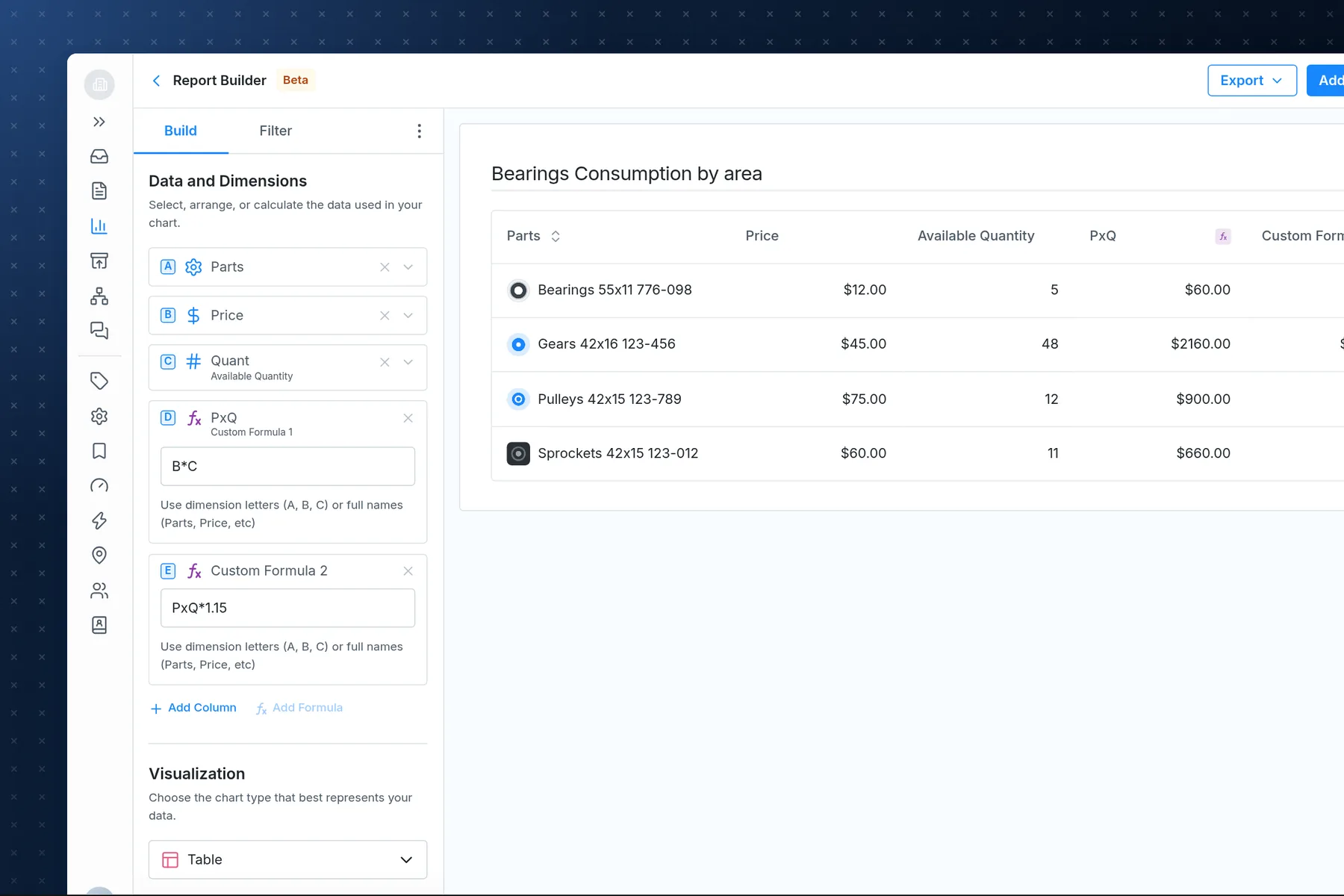
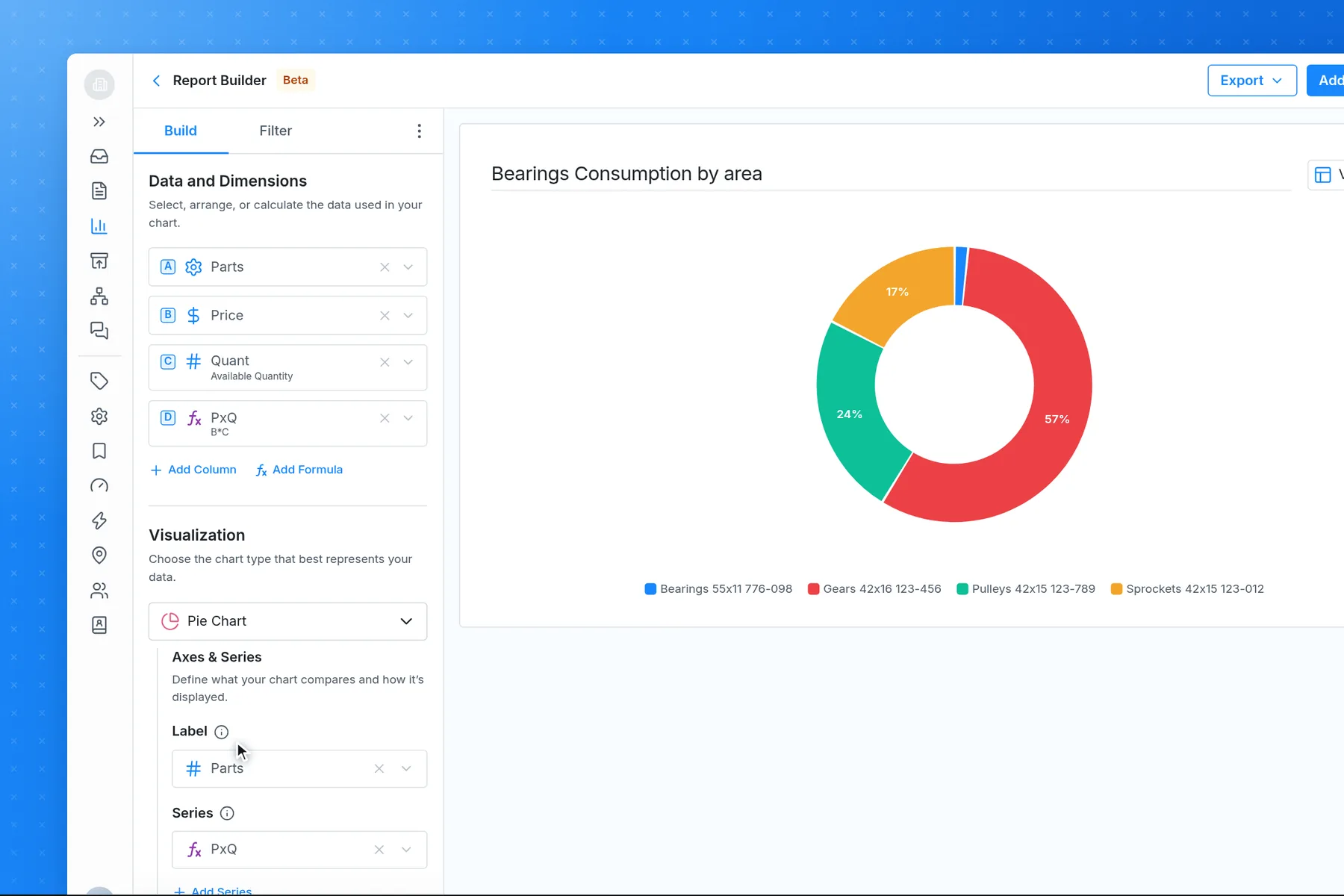
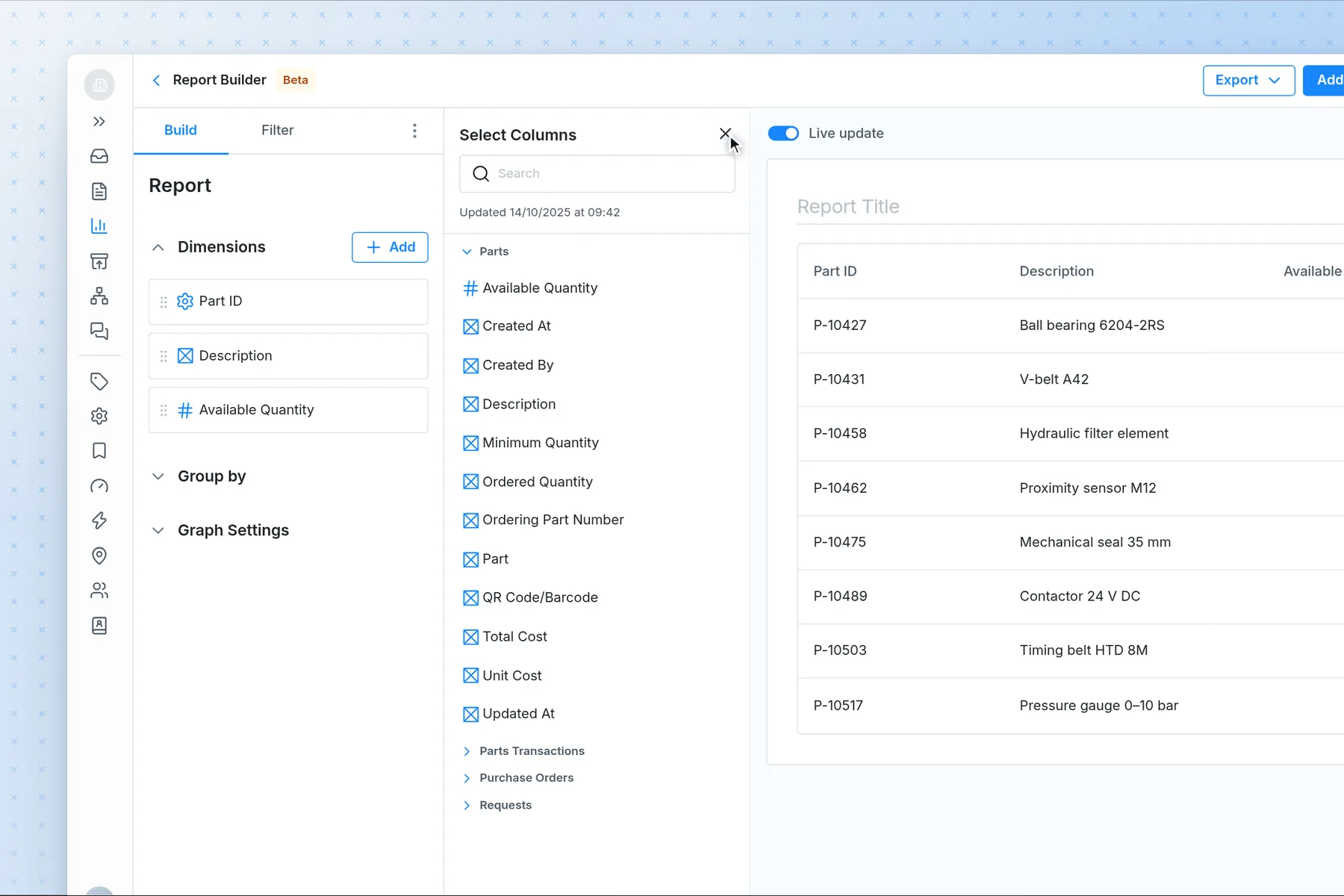
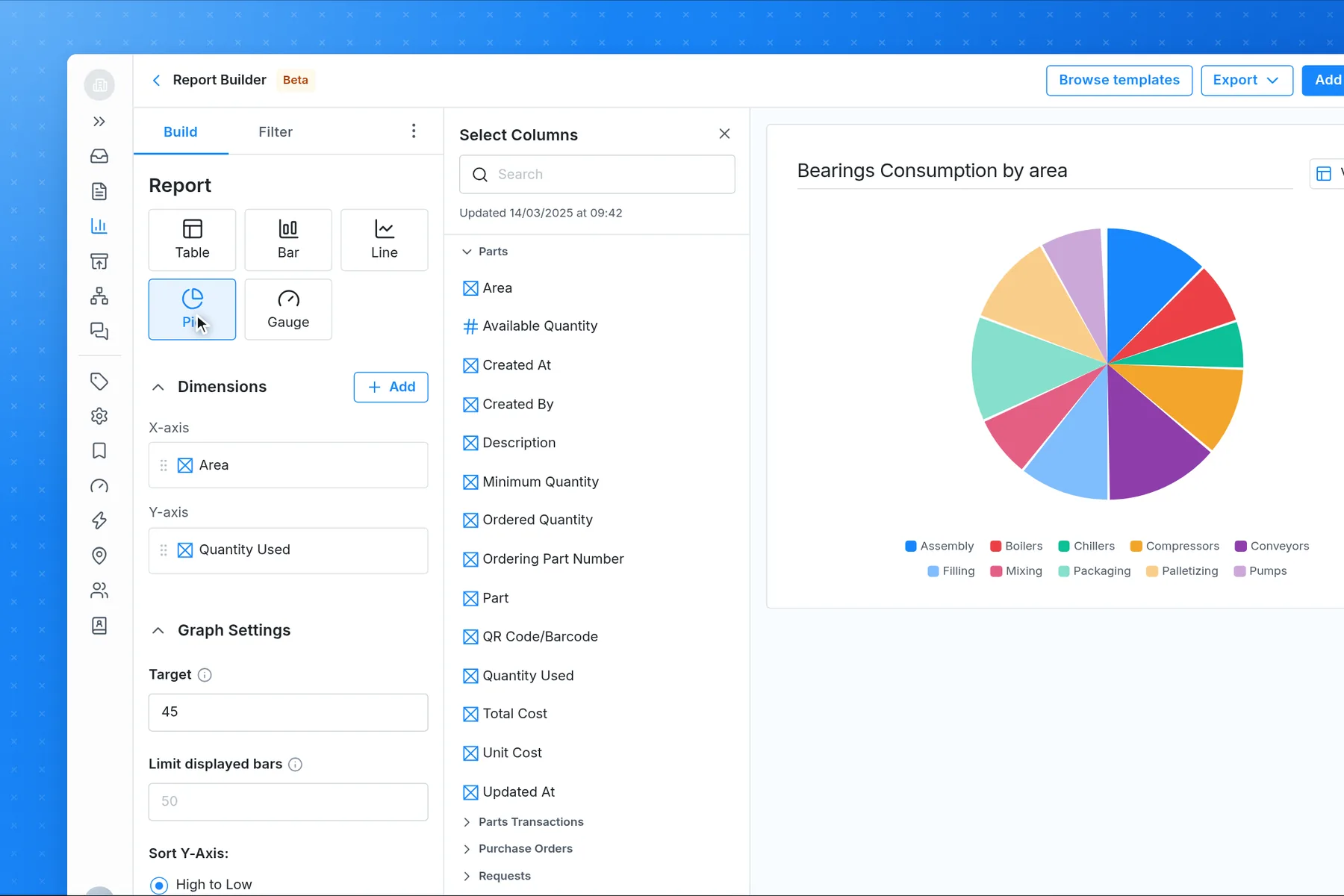
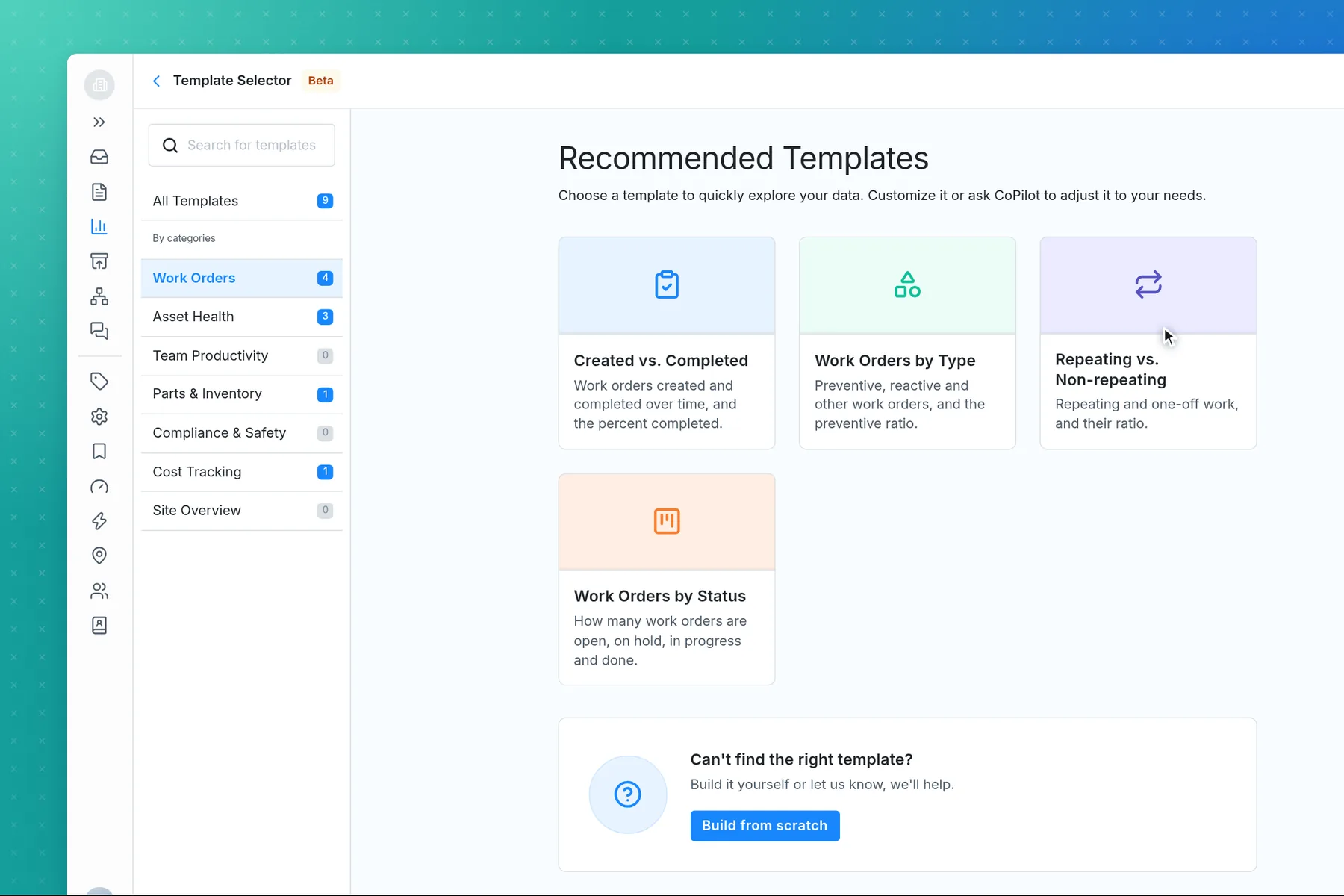
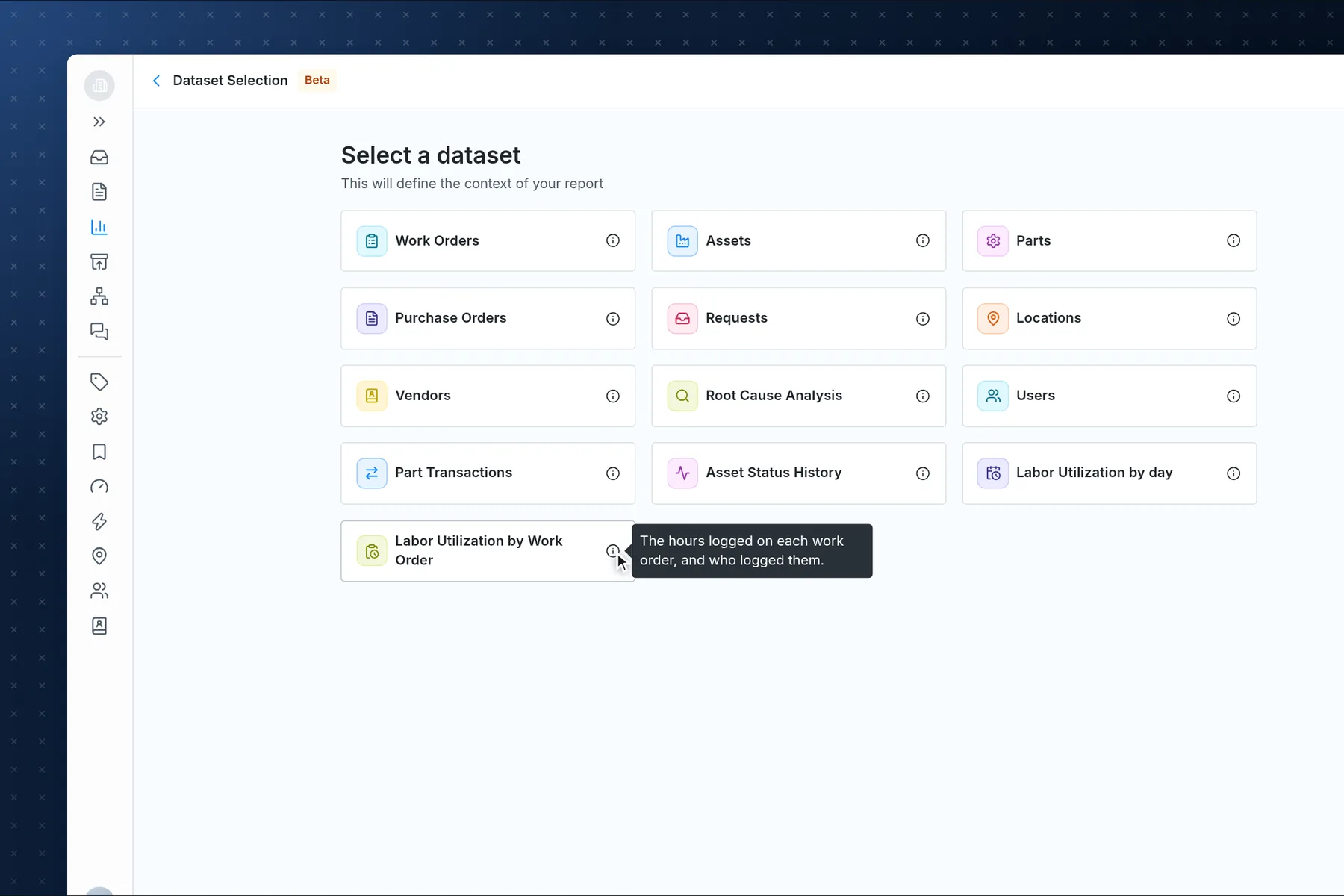
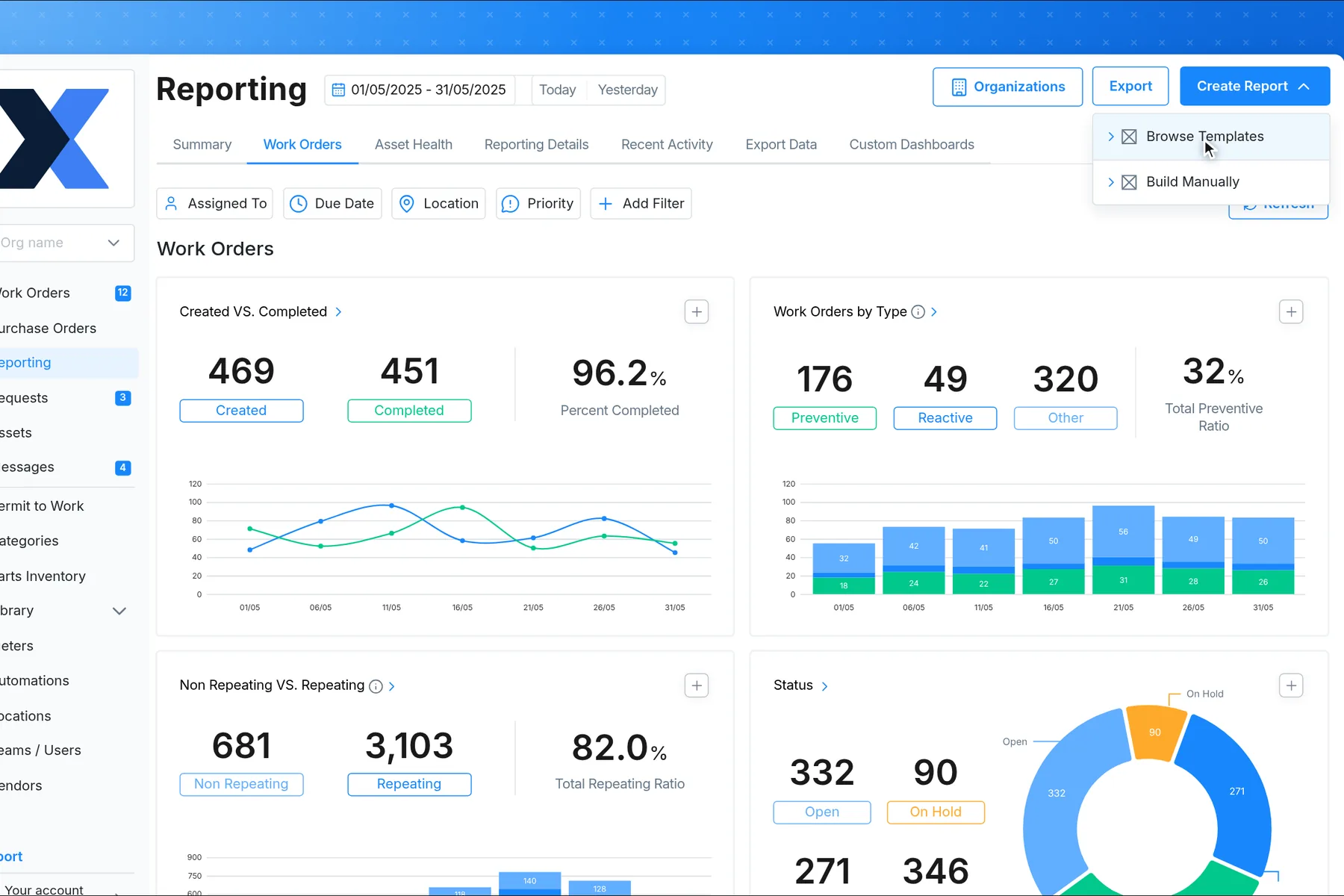
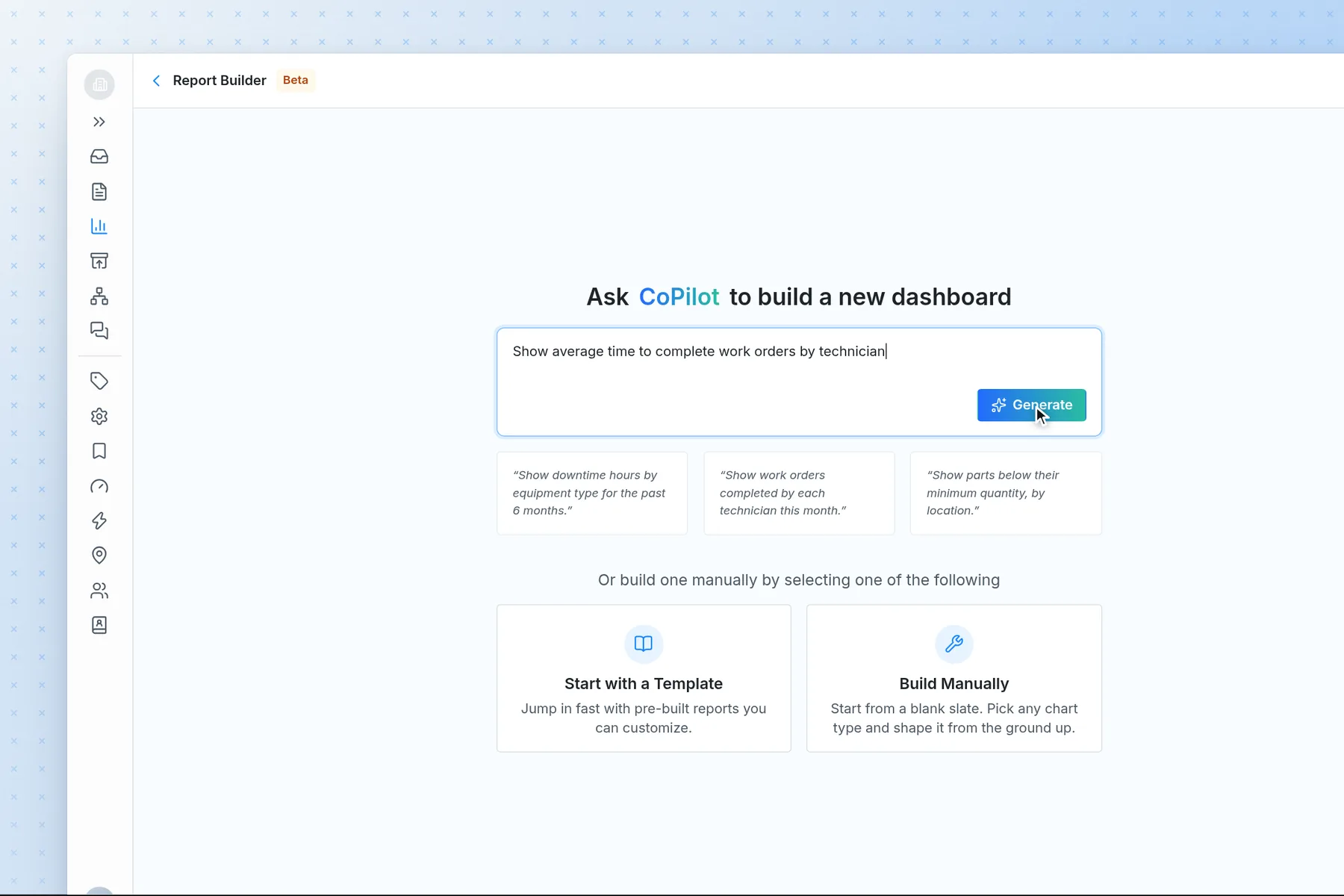
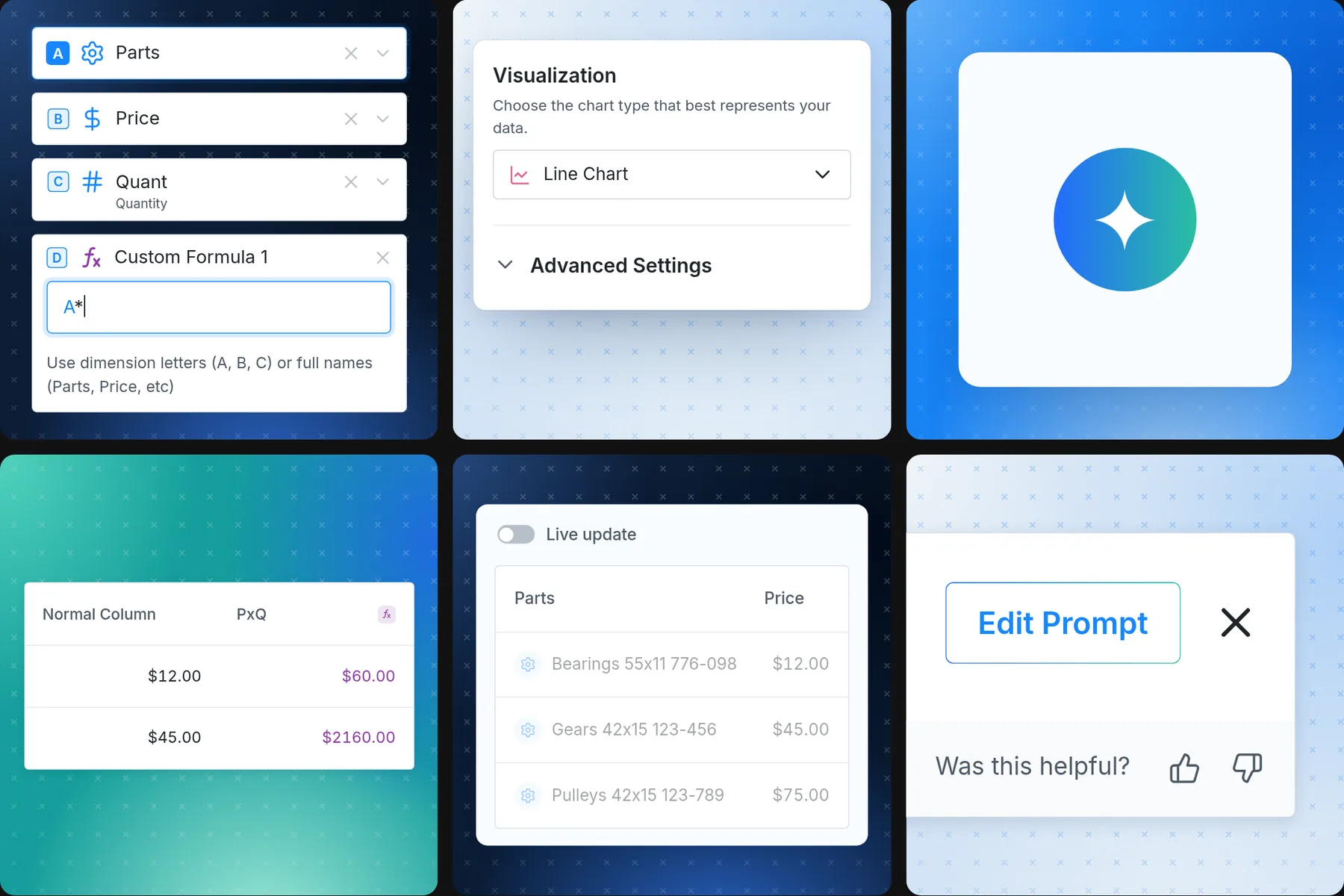
MaintainX is the CMMS frontline industrial teams use to log work orders, track assets and keep plants running. I was lead designer on Reporting, Search, Automations and Chat, the parts of the app people open every shift.
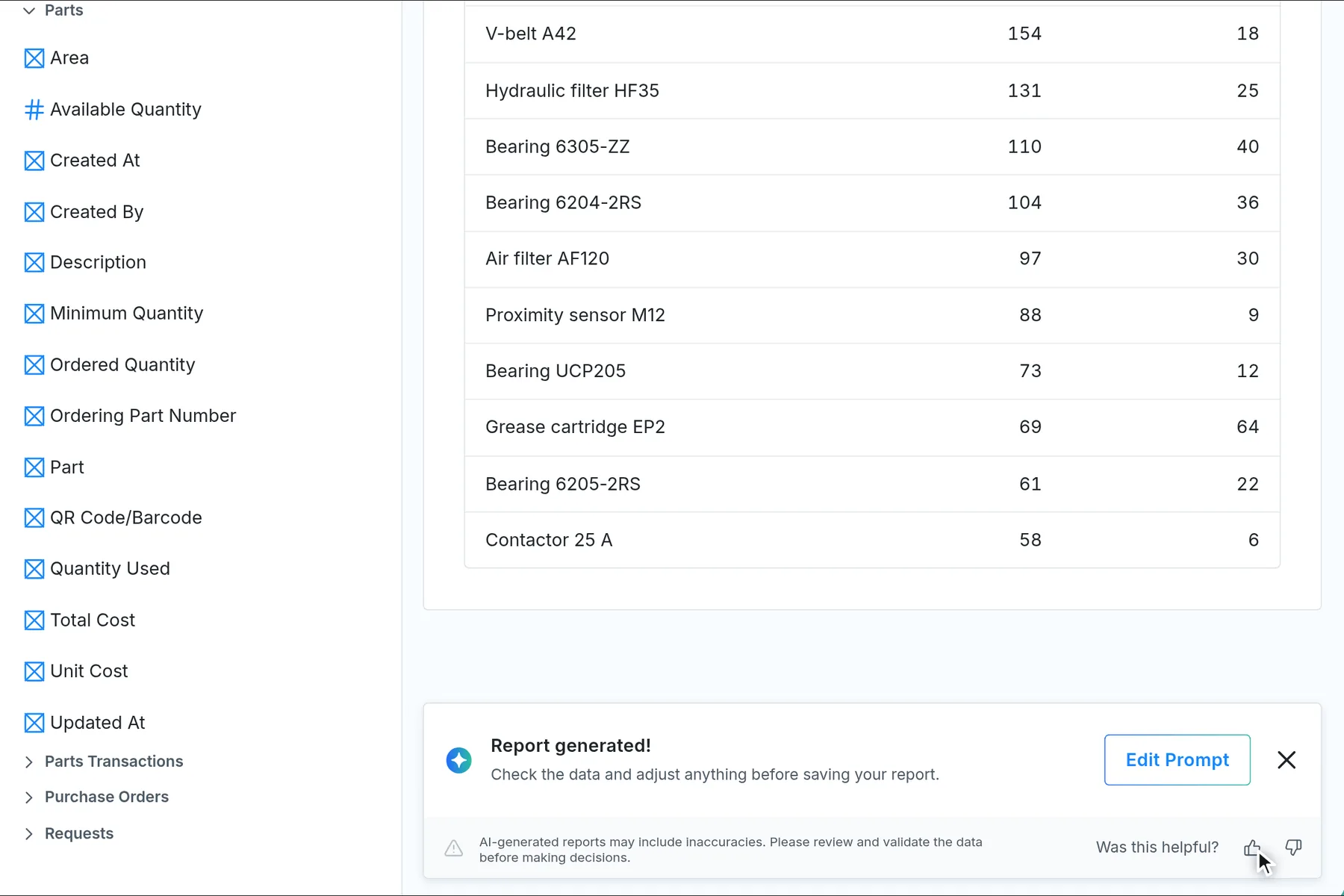
I shipped Report Builder AI, which builds a report from a sentence typed in plain language. Since the acquisition I’ve been at Autodesk, working on asset intelligence and connected data strategy for maintenance.
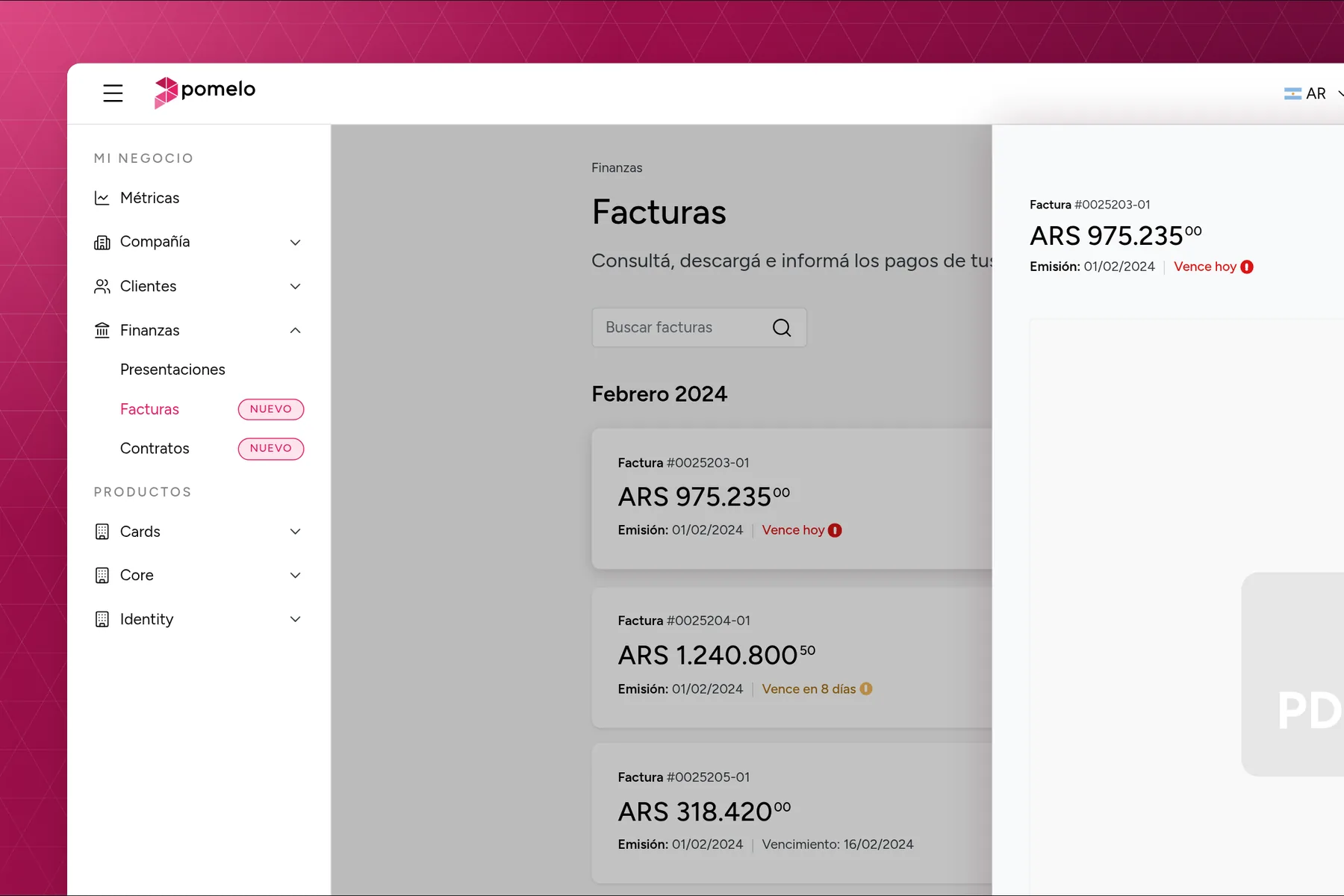
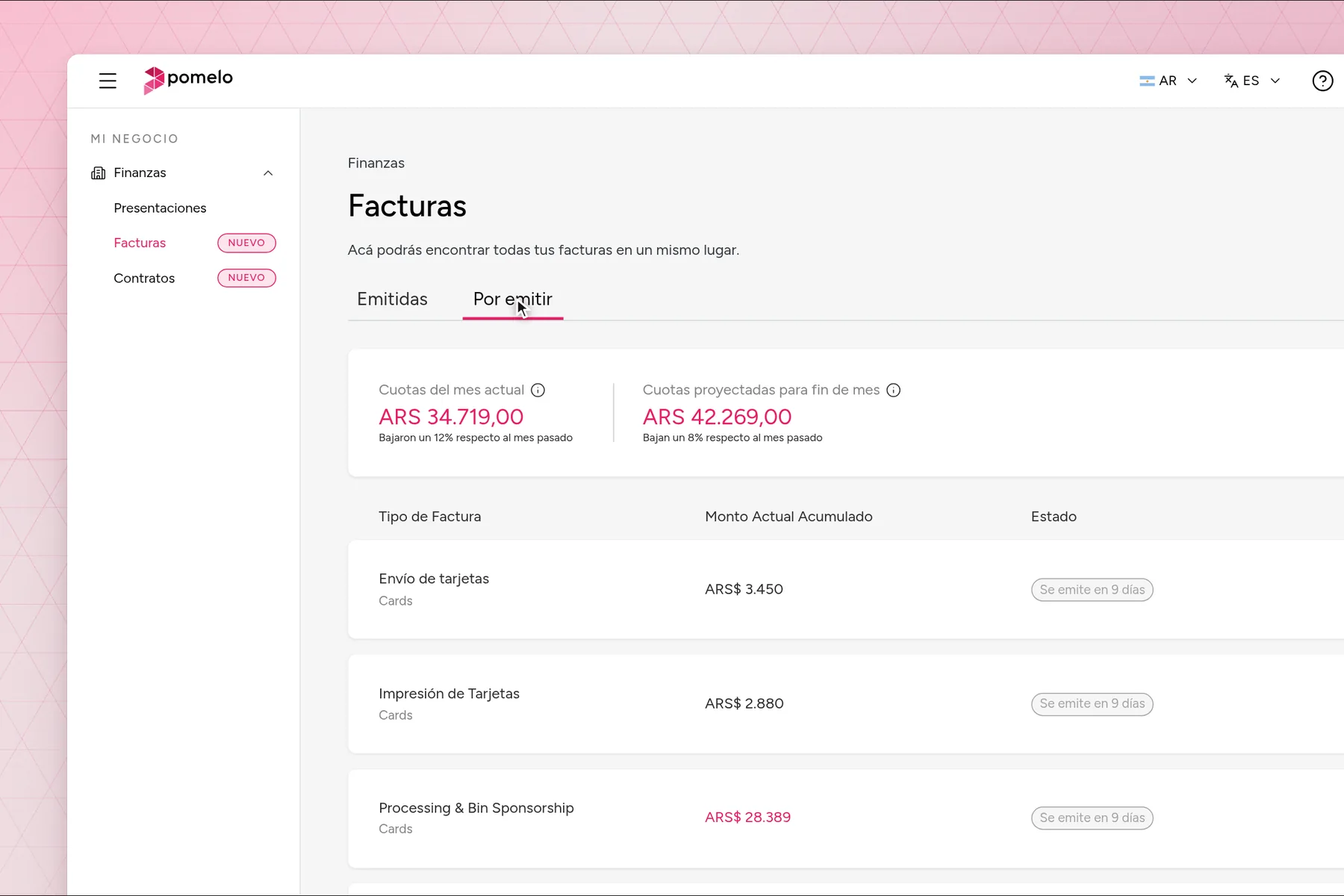
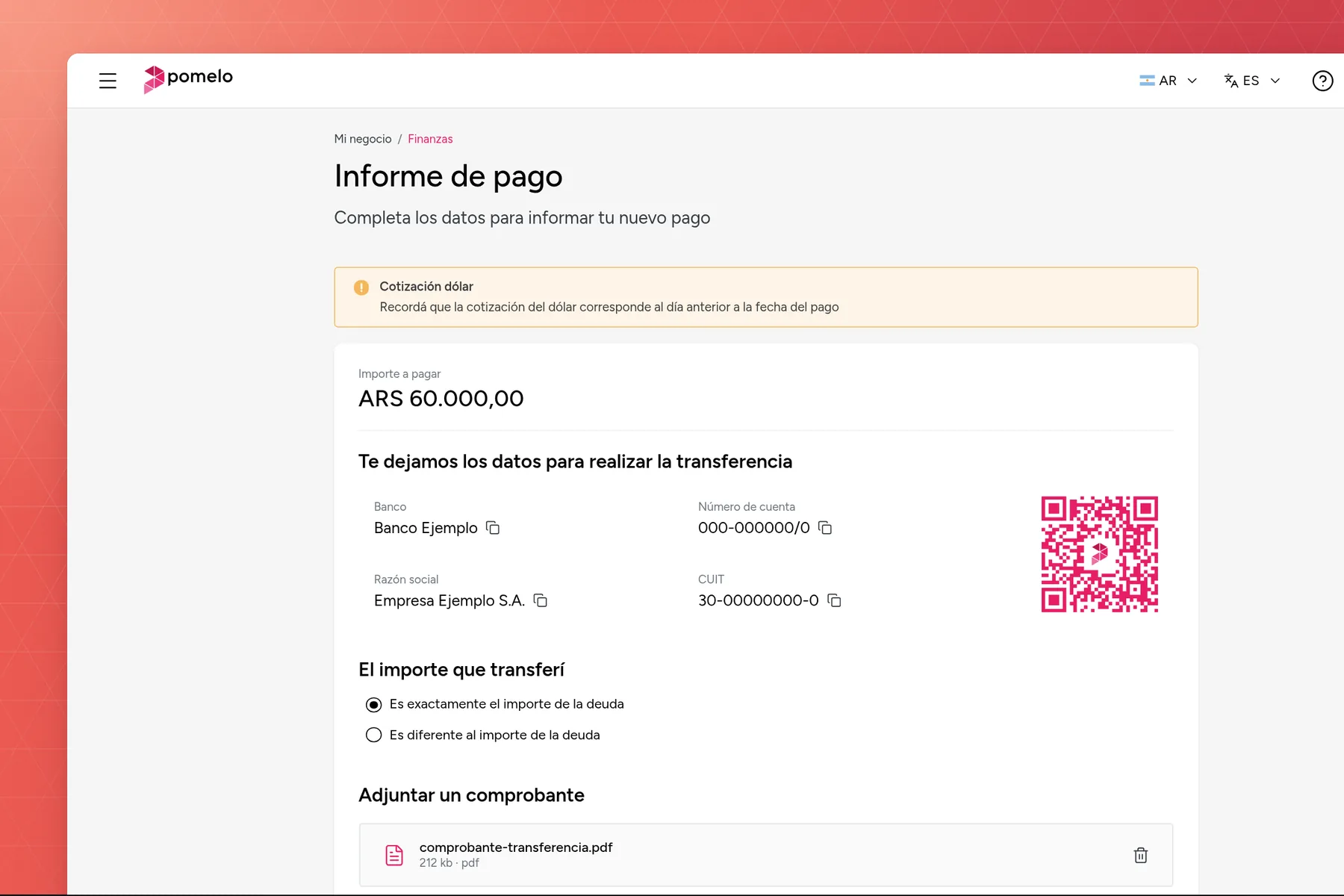
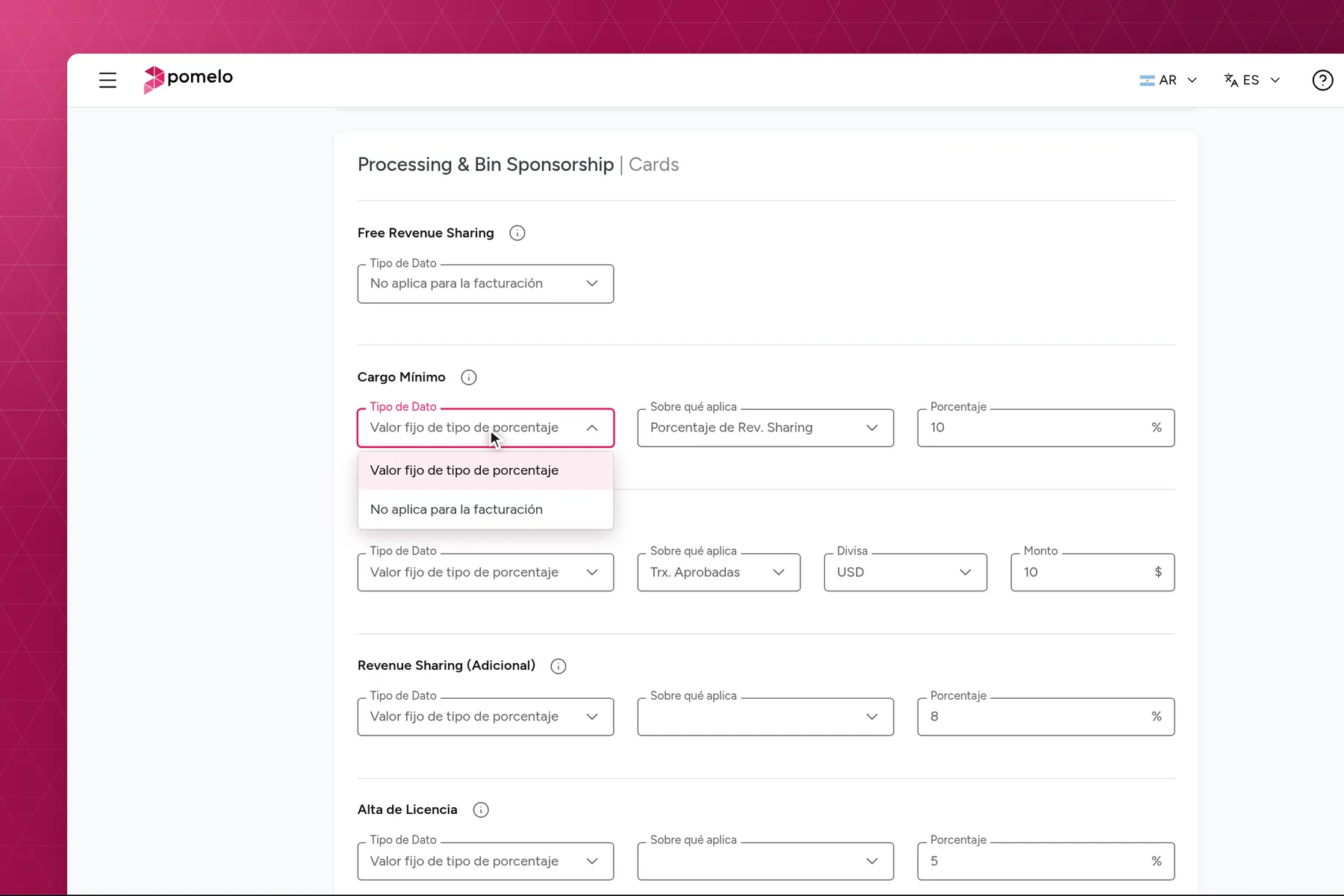
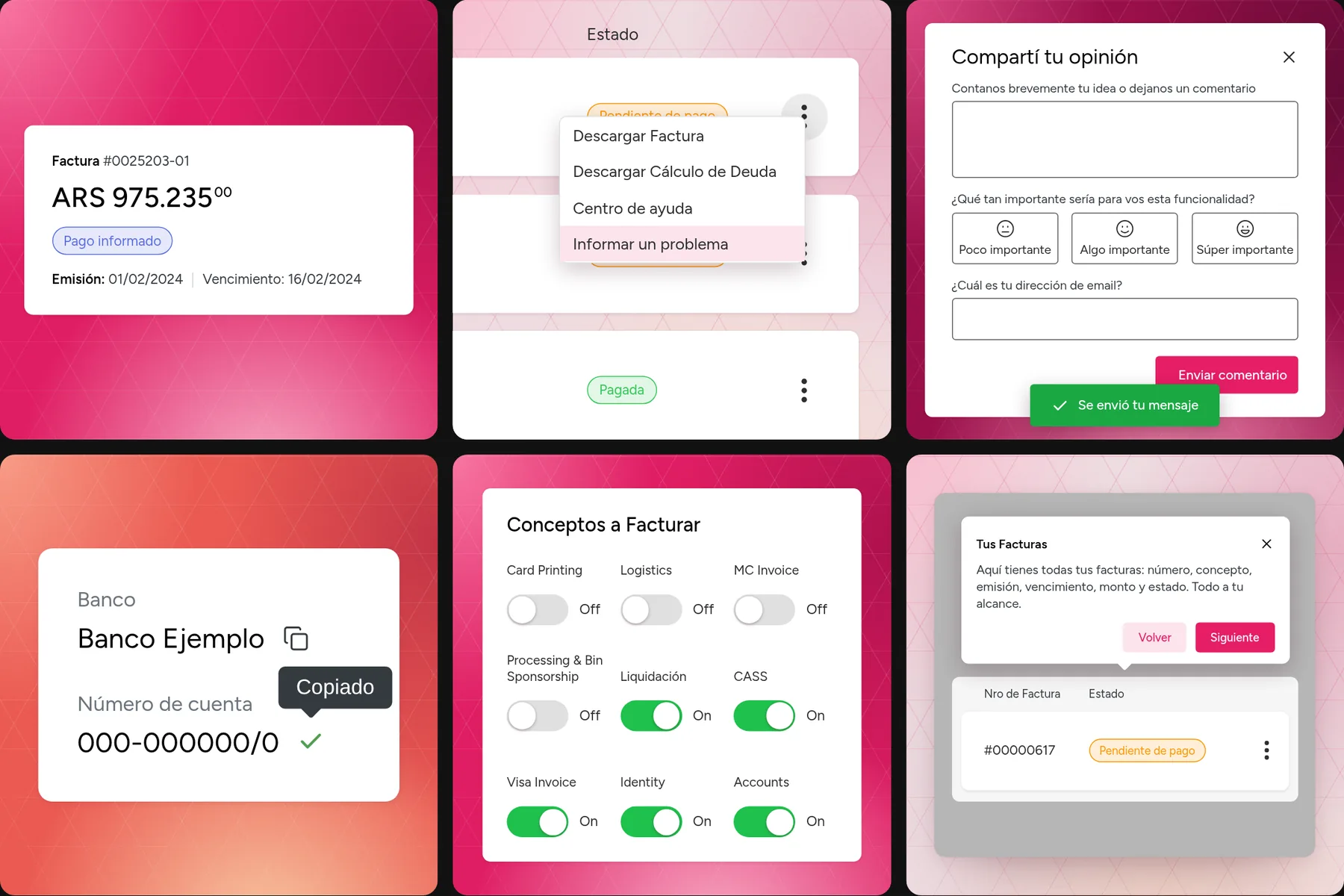
Pomelo is fintech infrastructure for Latin America. I designed the partner dashboards, where banks and neobanks run their card and account programs, and grew them from a handful of partners to dozens.
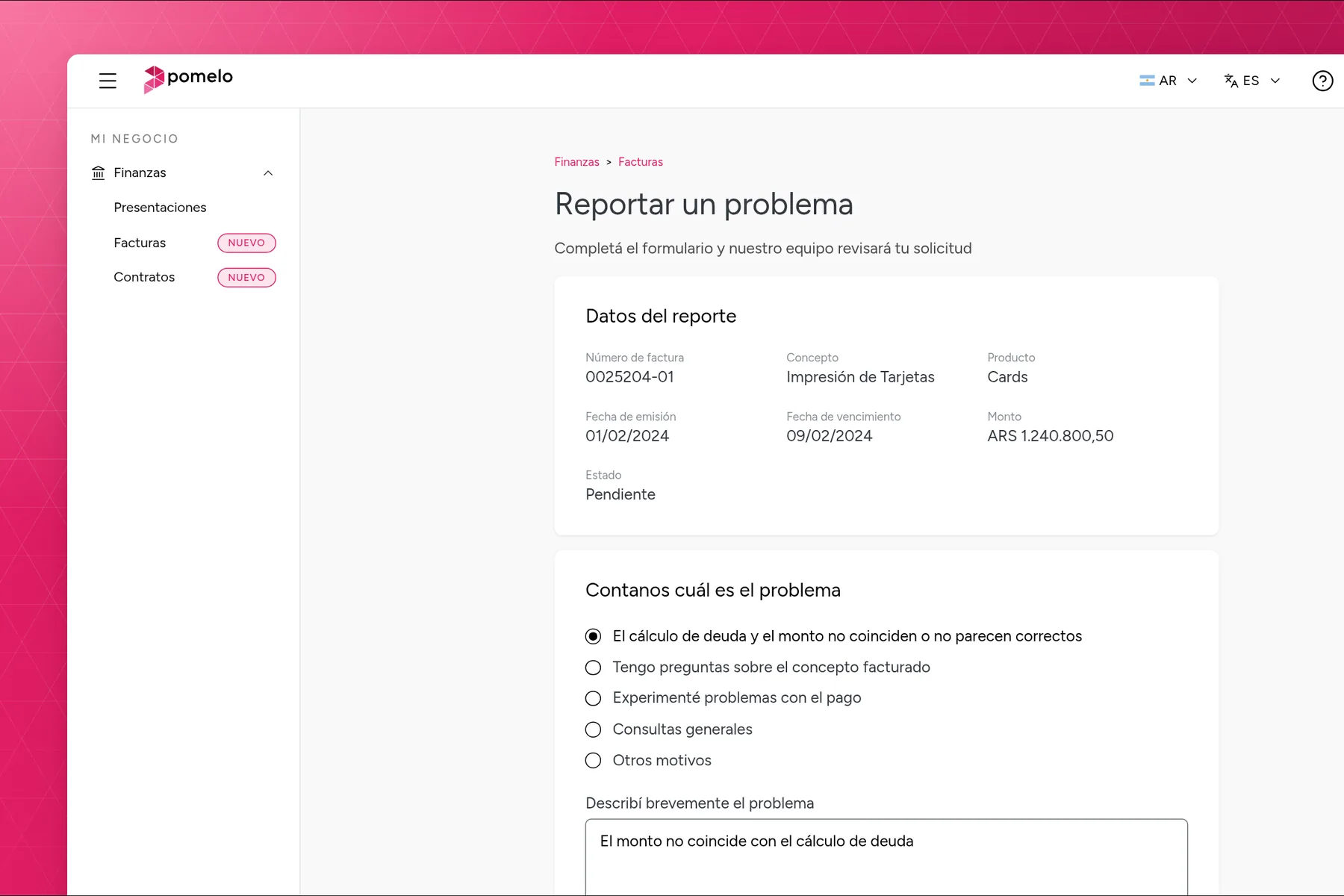
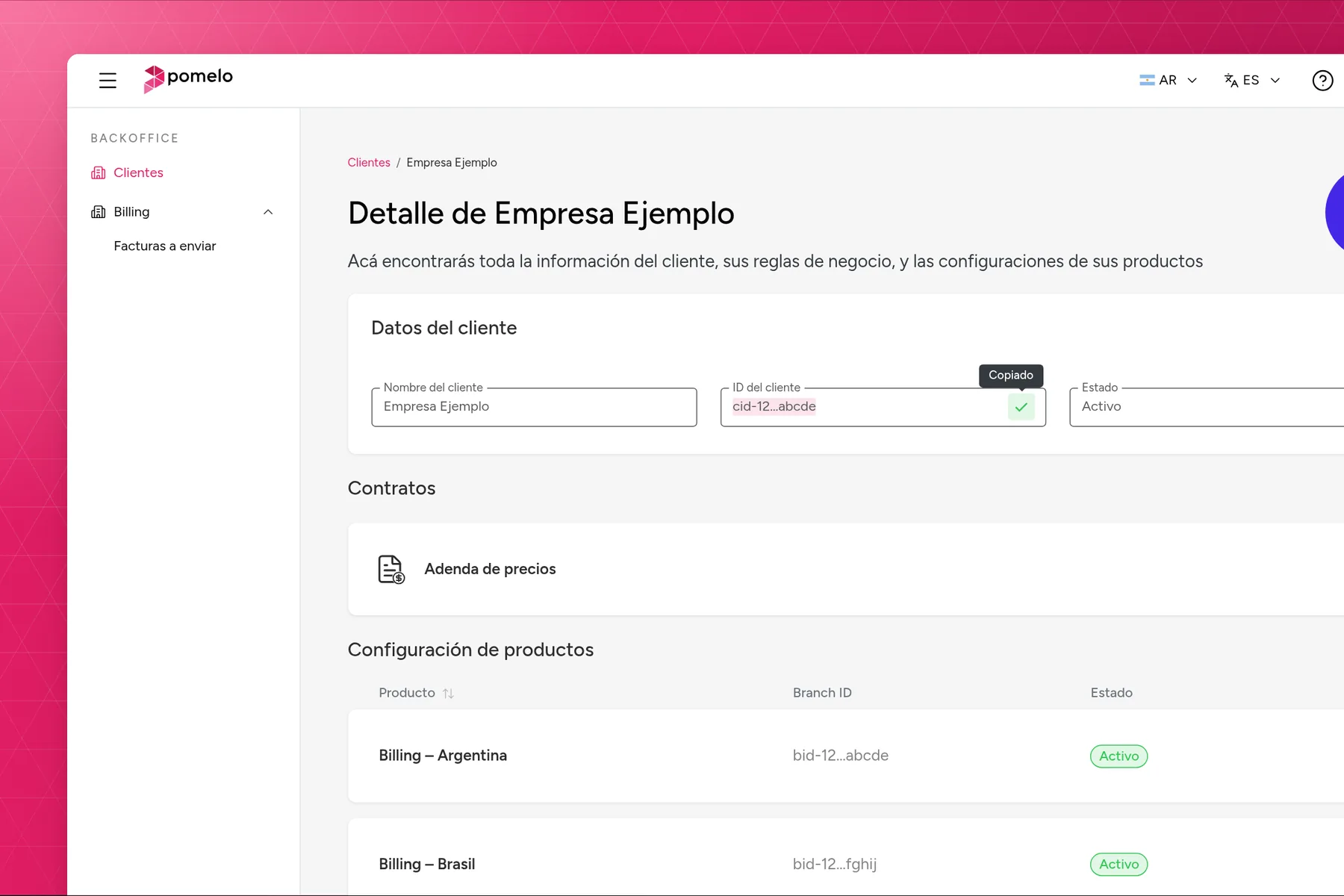
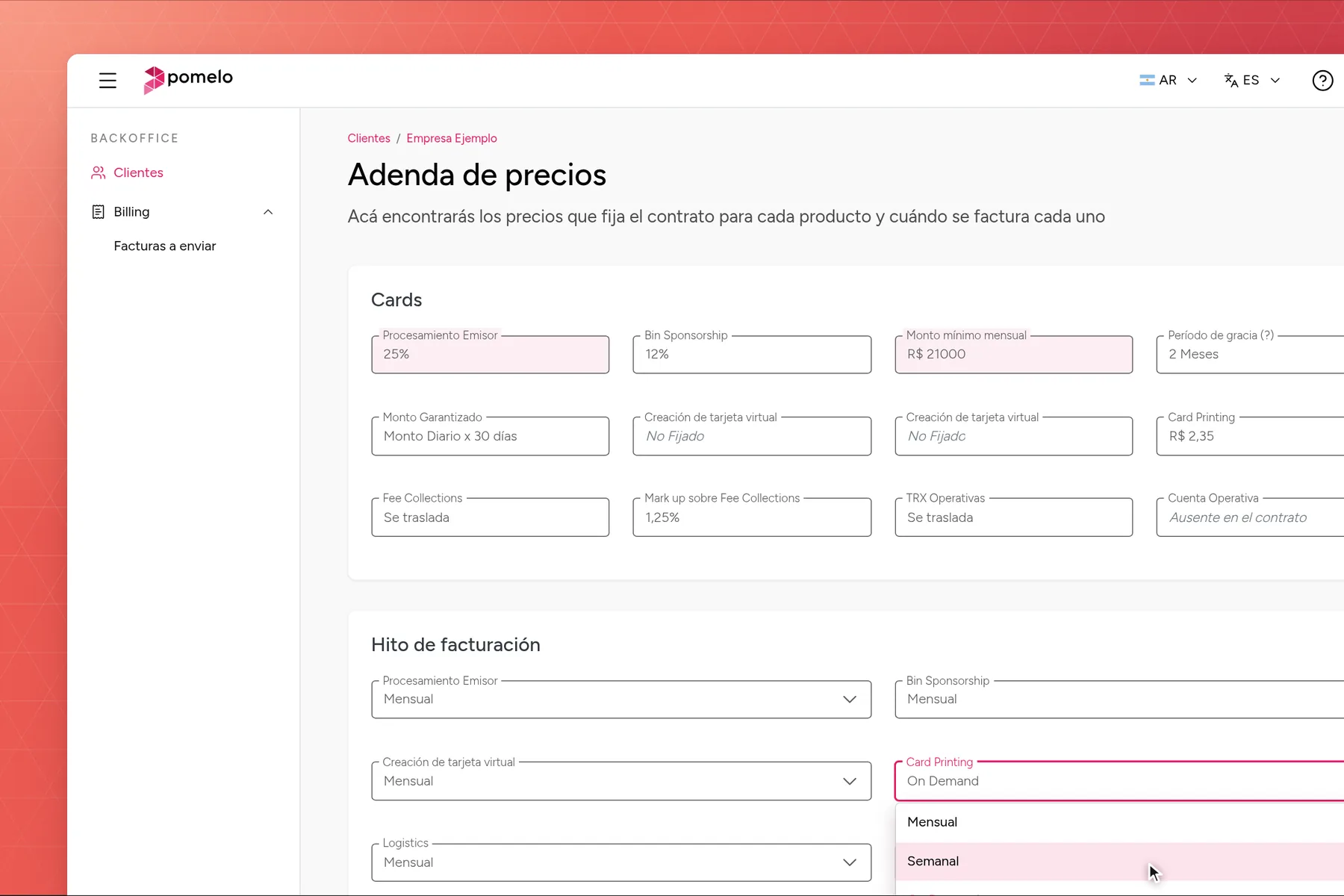
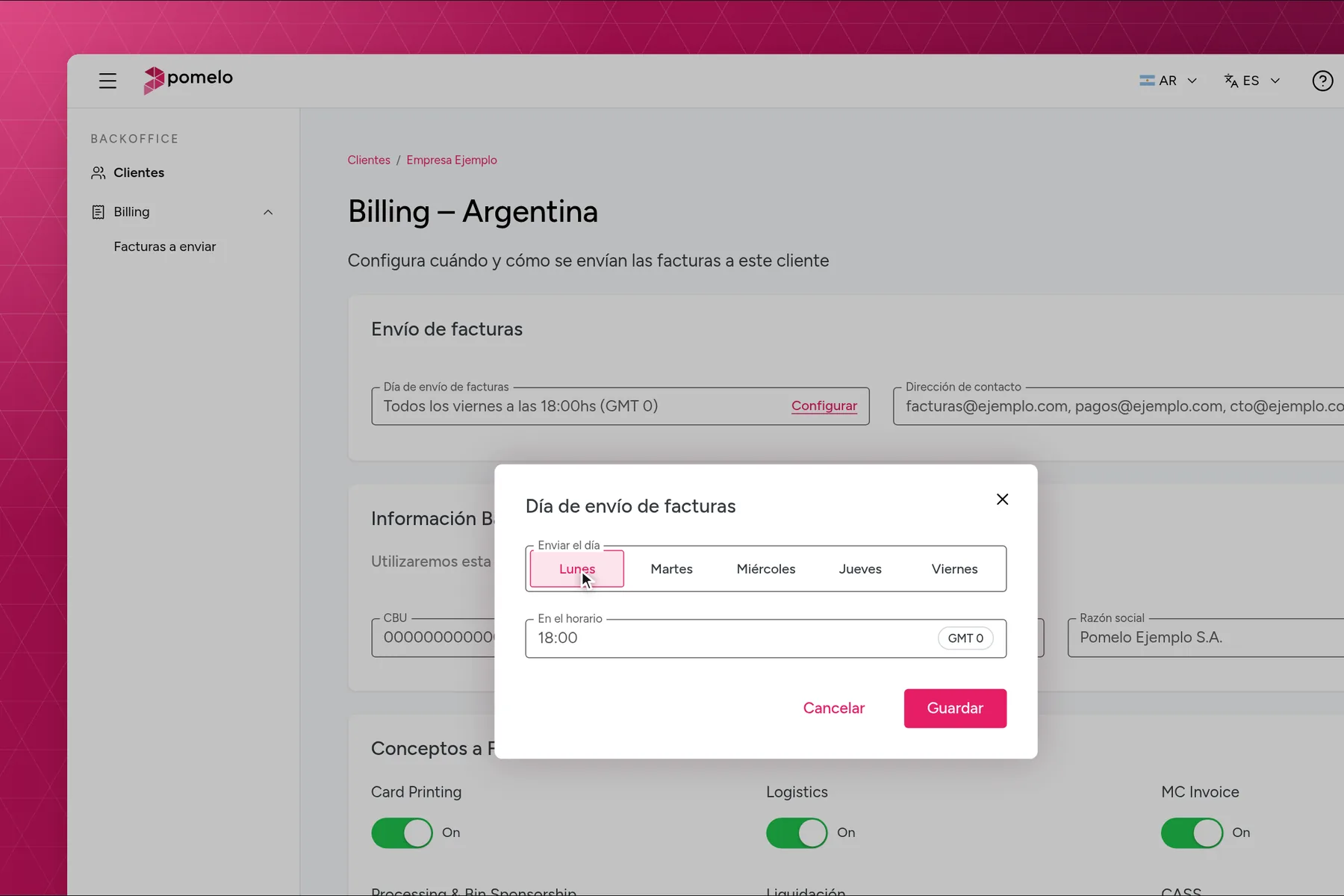
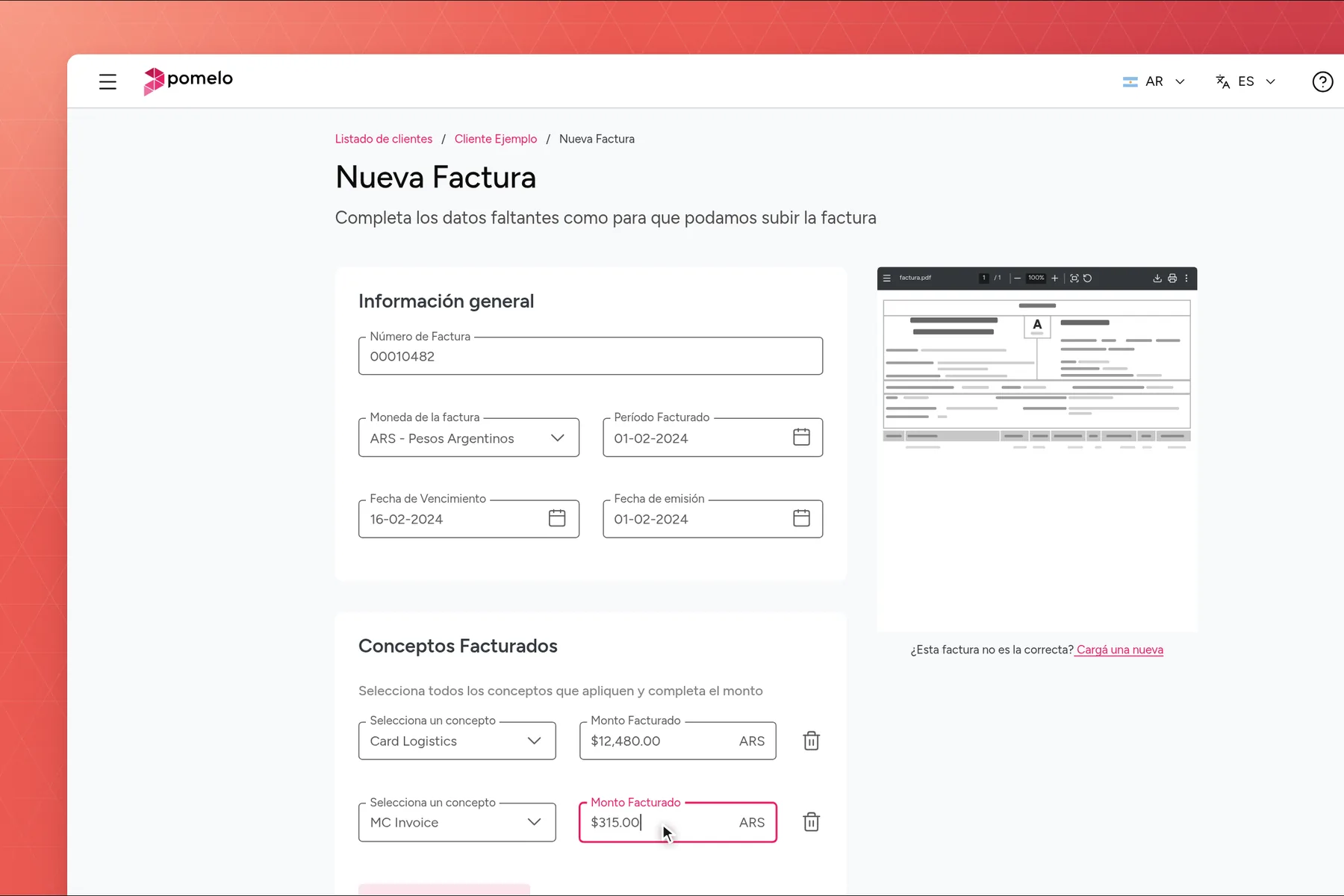
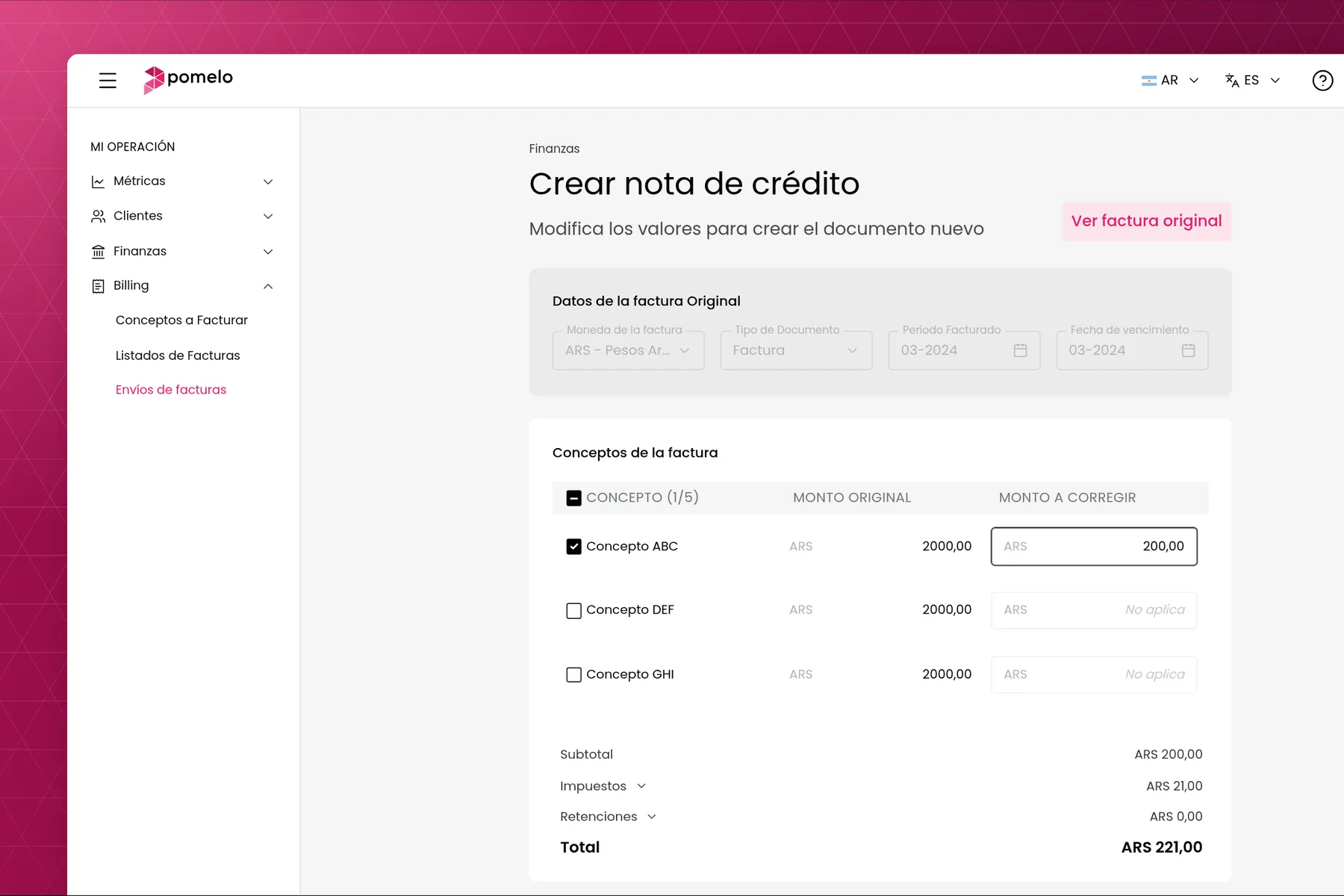
As lead I ran the UX team, still designing Billing and Automations myself, and got us building reusable systems where we used to design feature by feature. The case study is about billing, which we moved from a spreadsheet to invoices built from each contract. On-time invoices went from 22% to 95%.
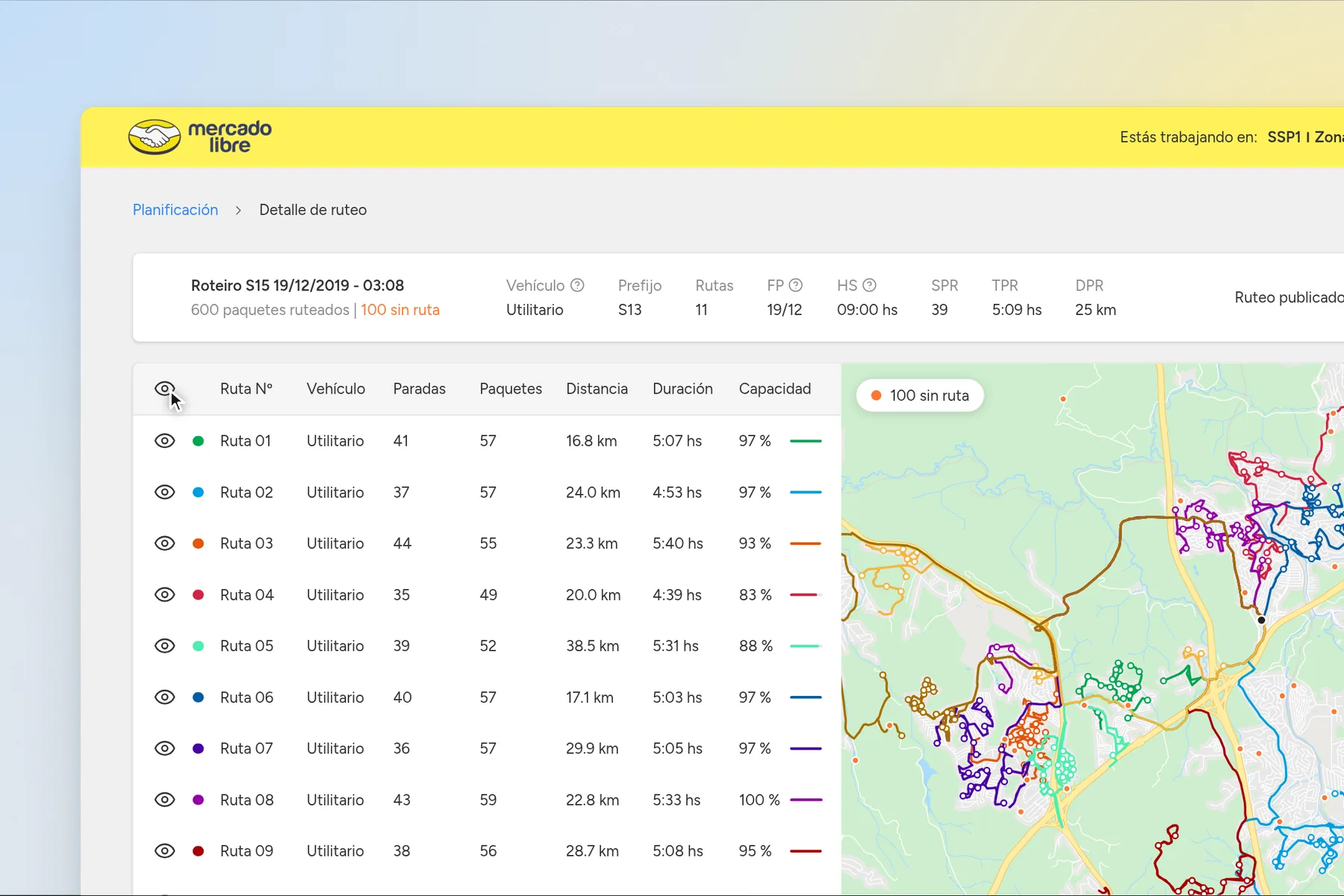
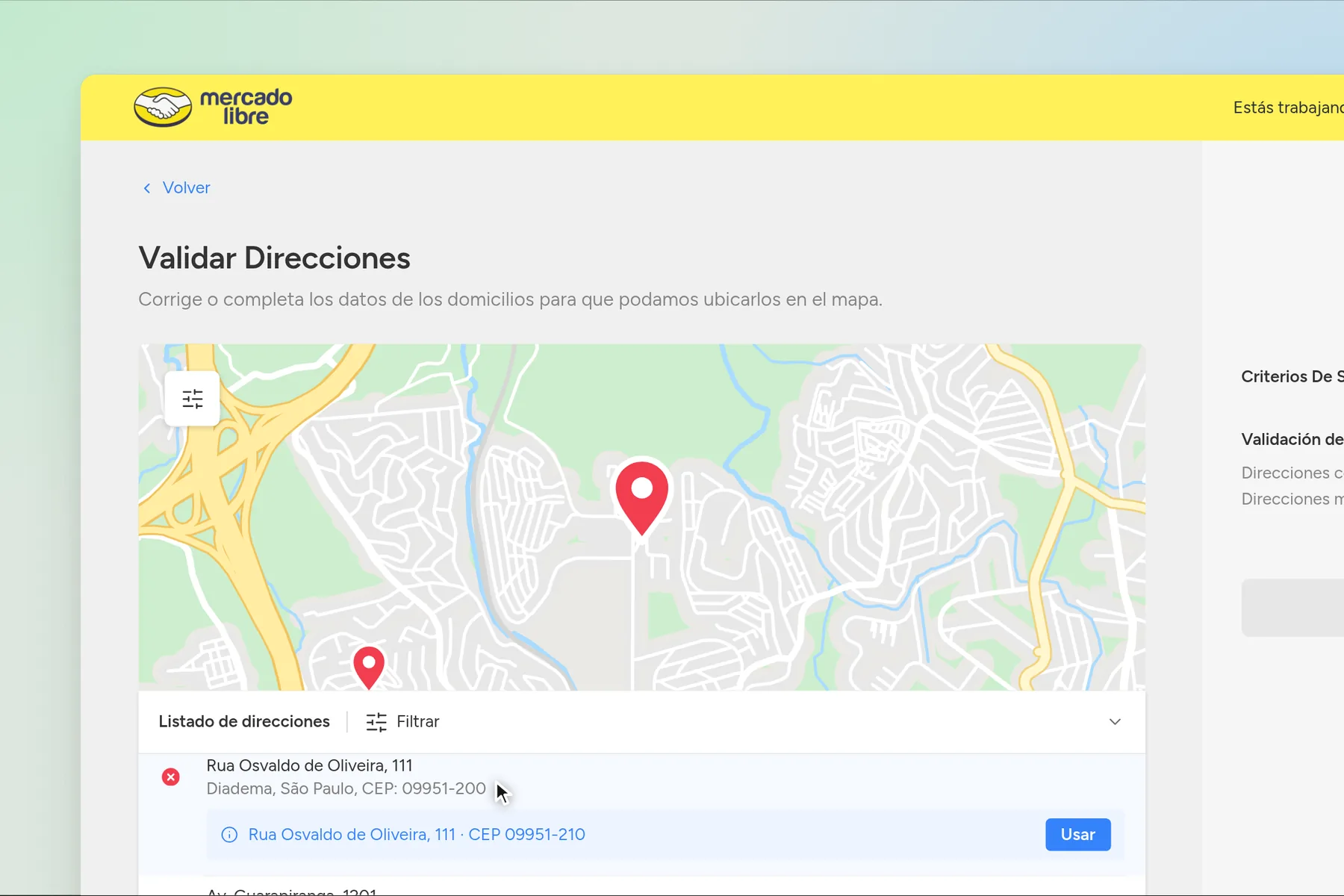
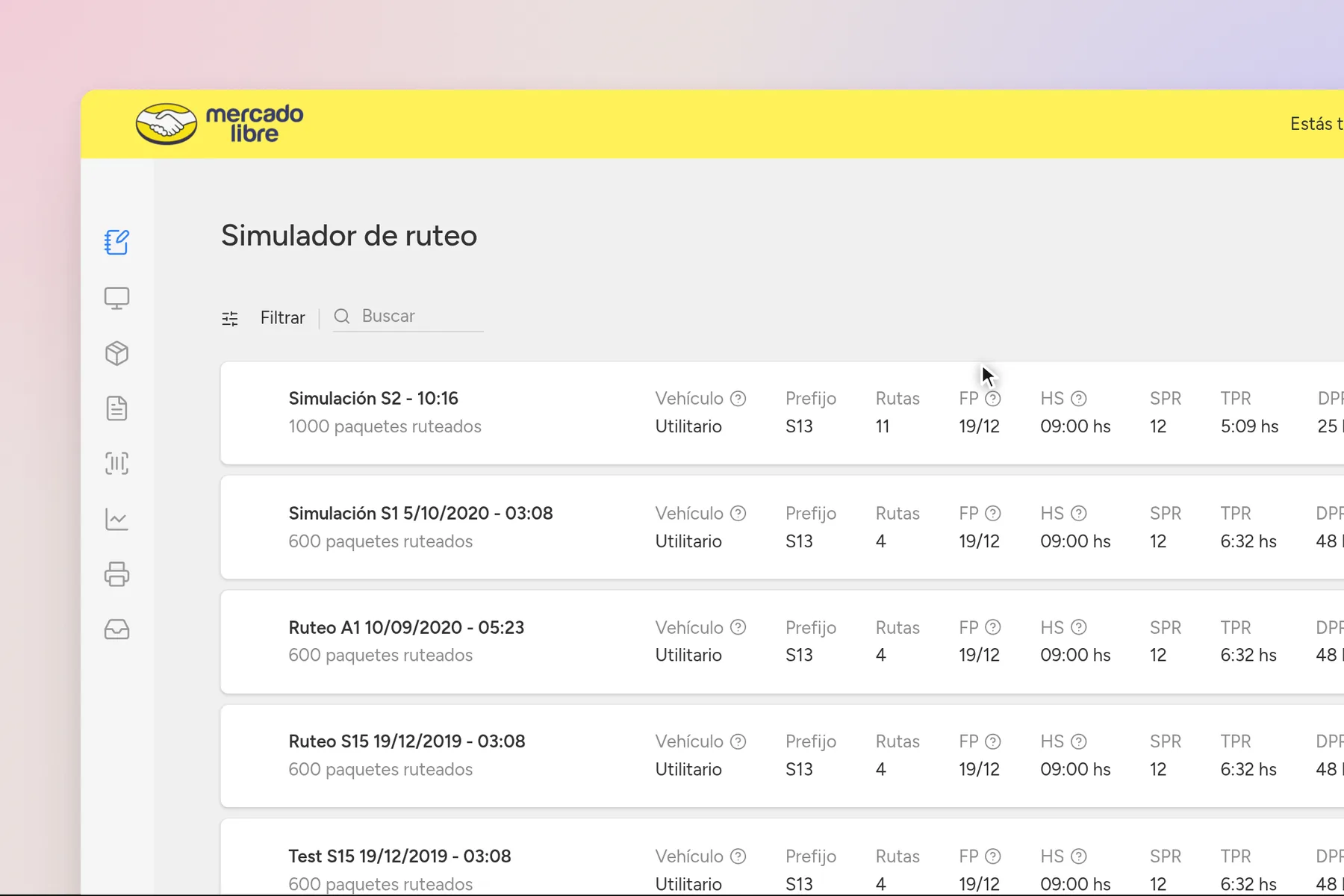
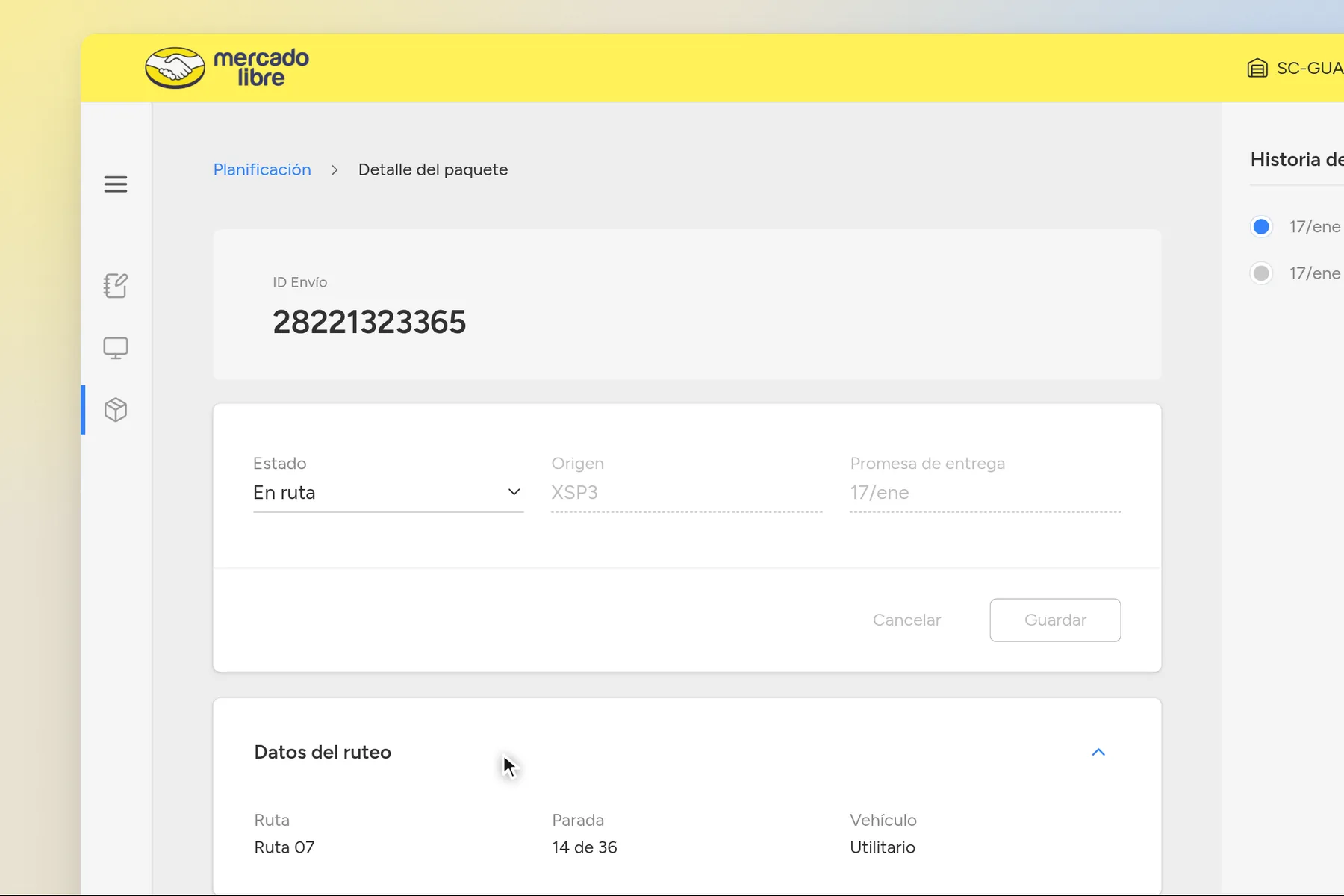
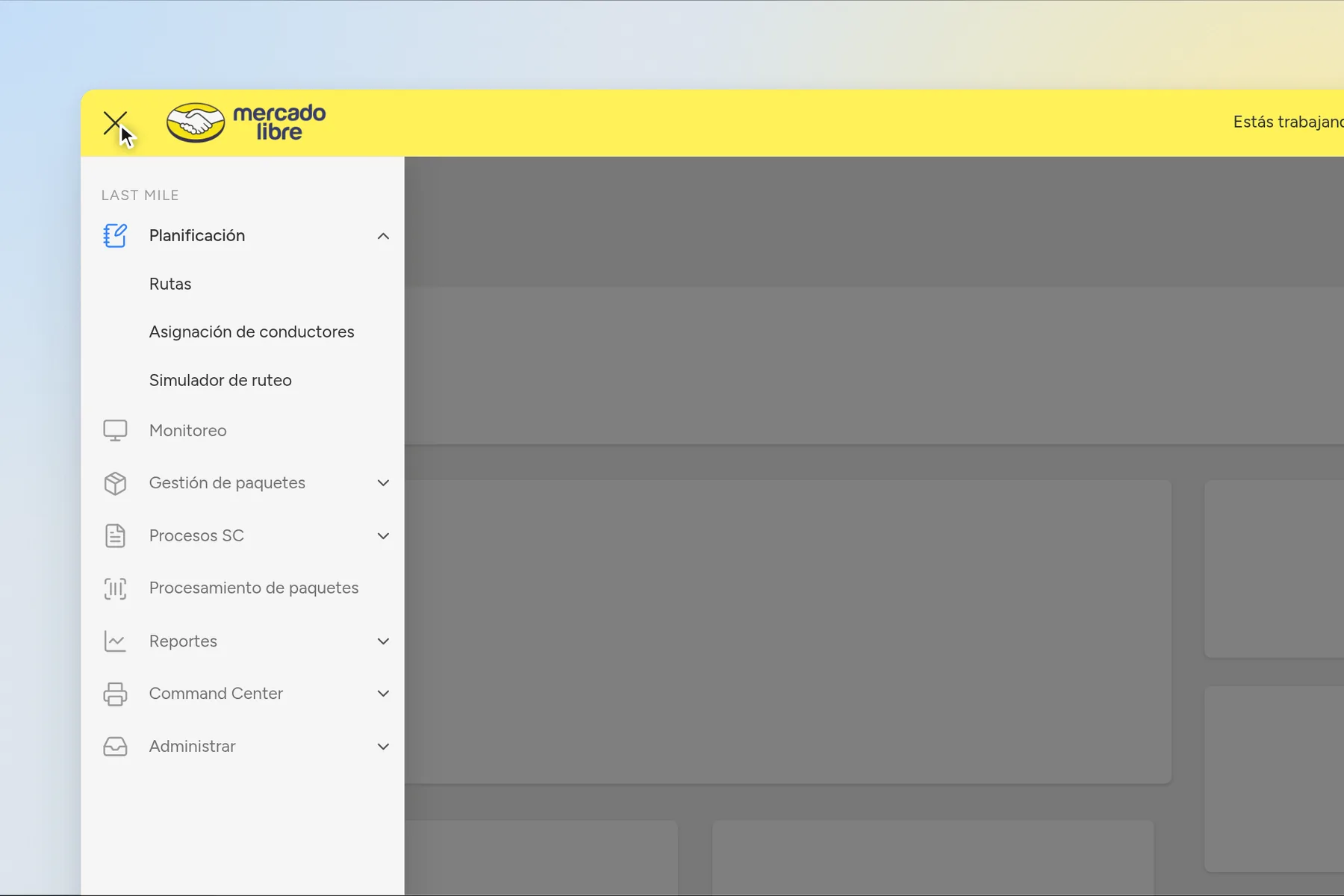
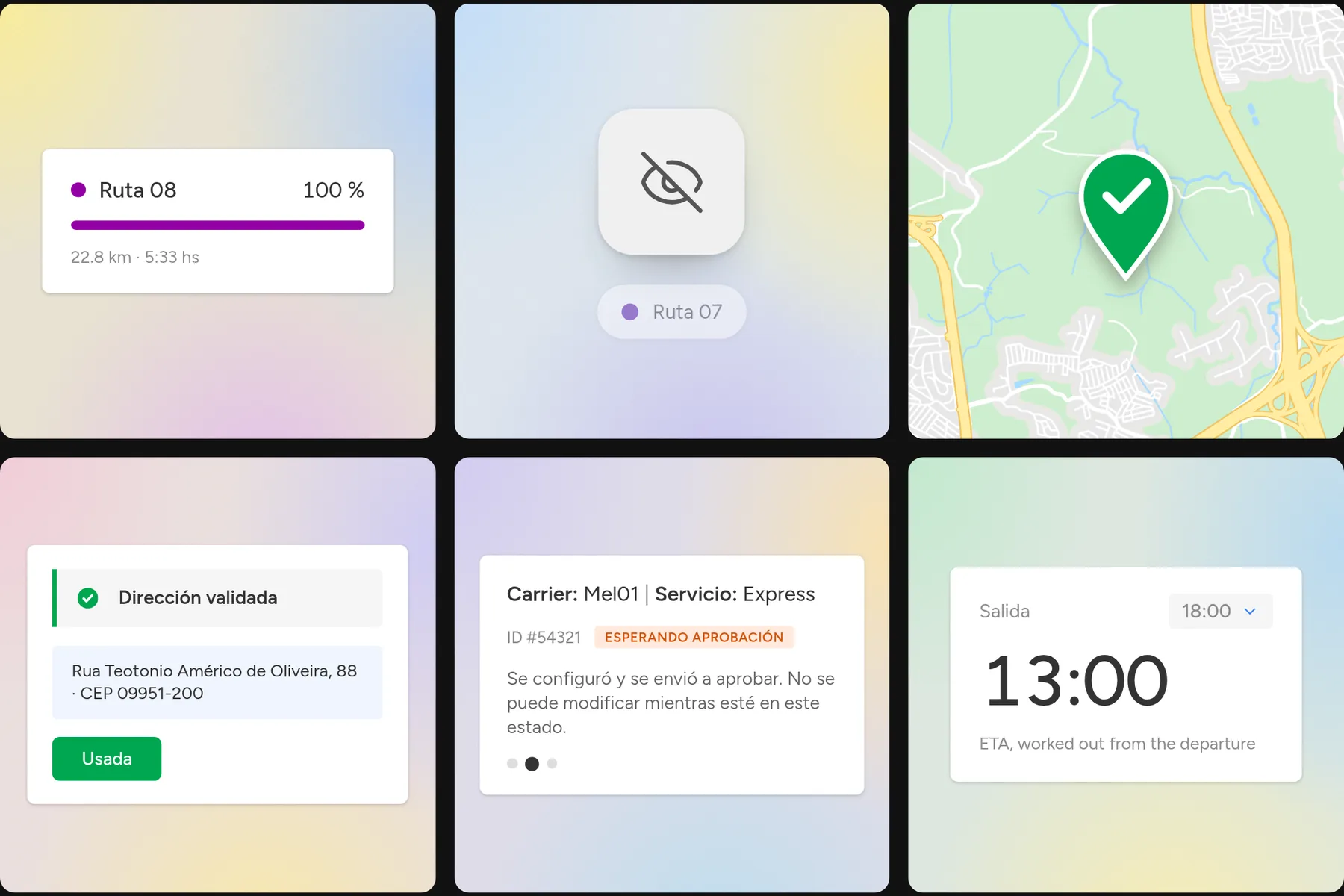
Mercado Envíos is around 2M delivery assignments a day across six countries. The team I joined was new and had to build the router that would replace an external program. I gave exceptions a screen of their own, which cut daily exception resolution time by 40% and helped cut manual route planning by 70% across more than forty facilities.
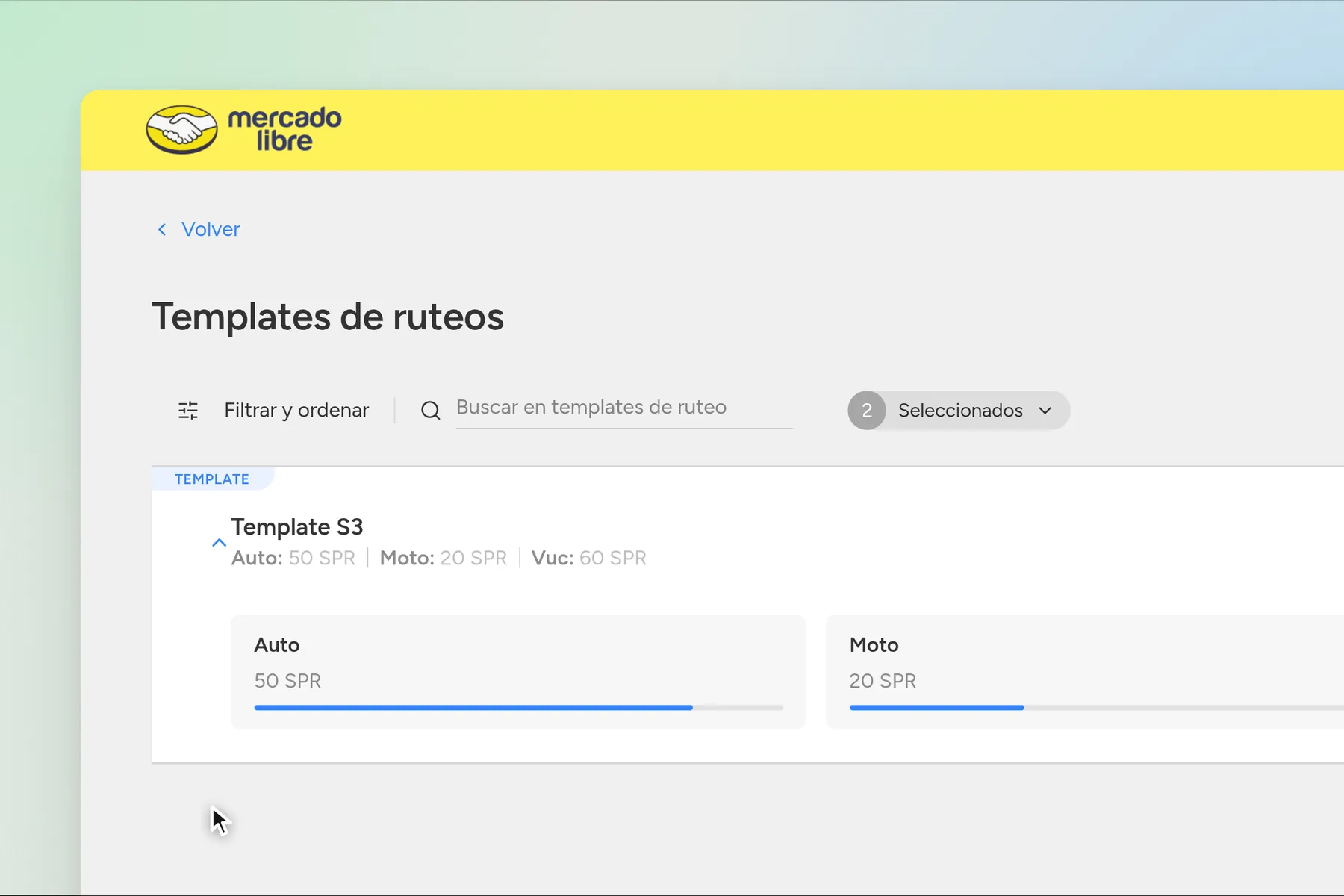
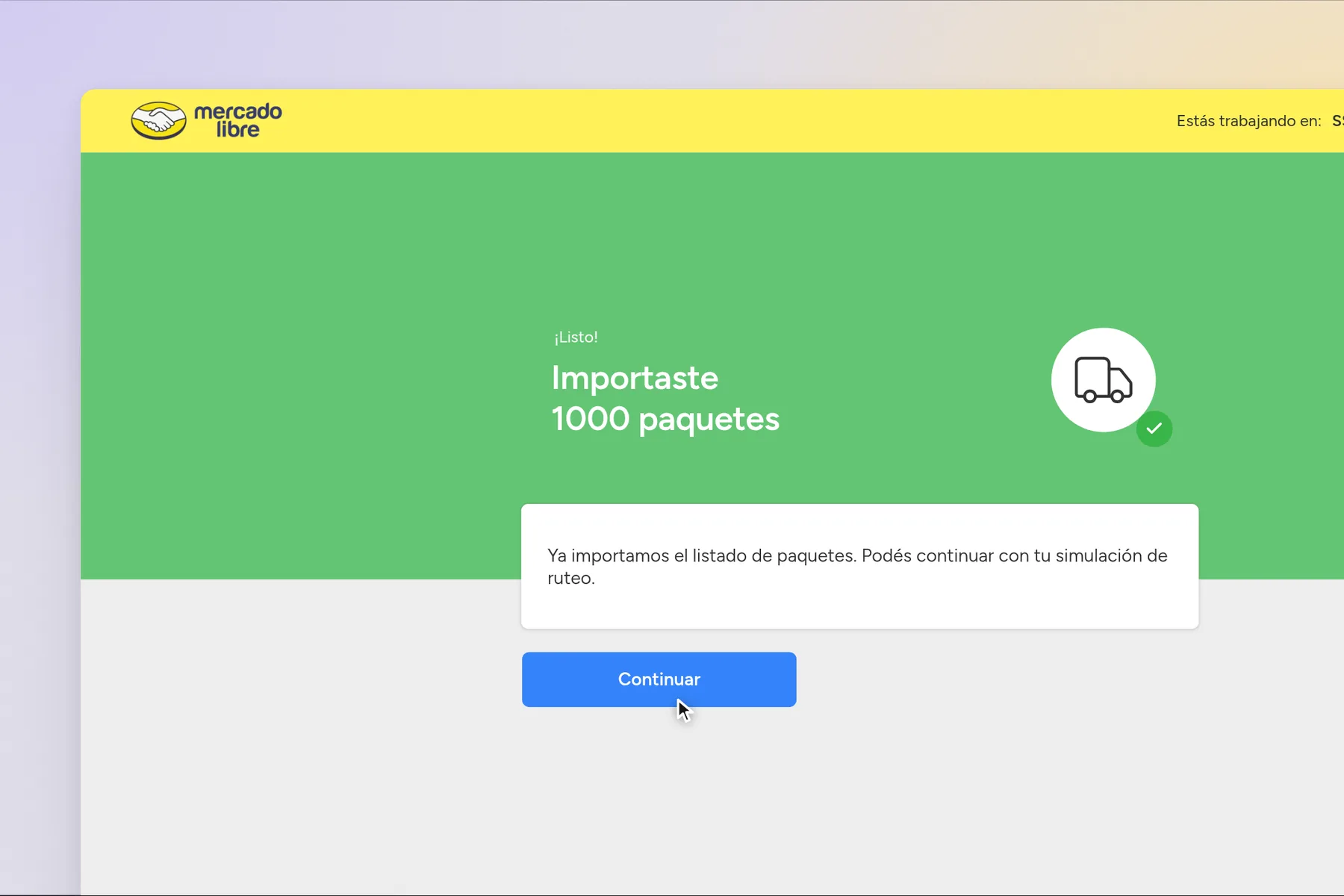
Next to it I designed a simulator, where a planner runs a routing, compares it with earlier ones and only publishes the one they trust.
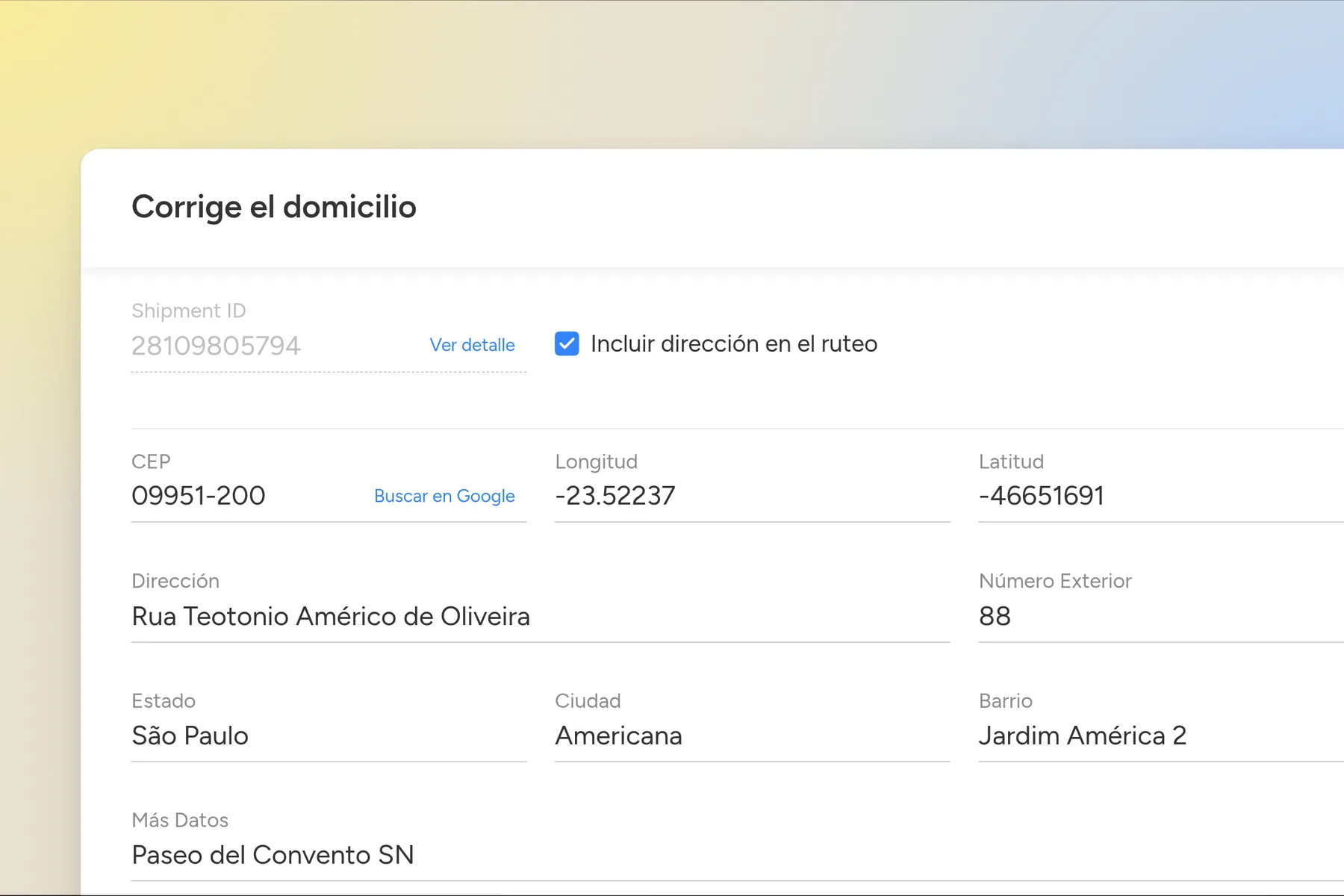
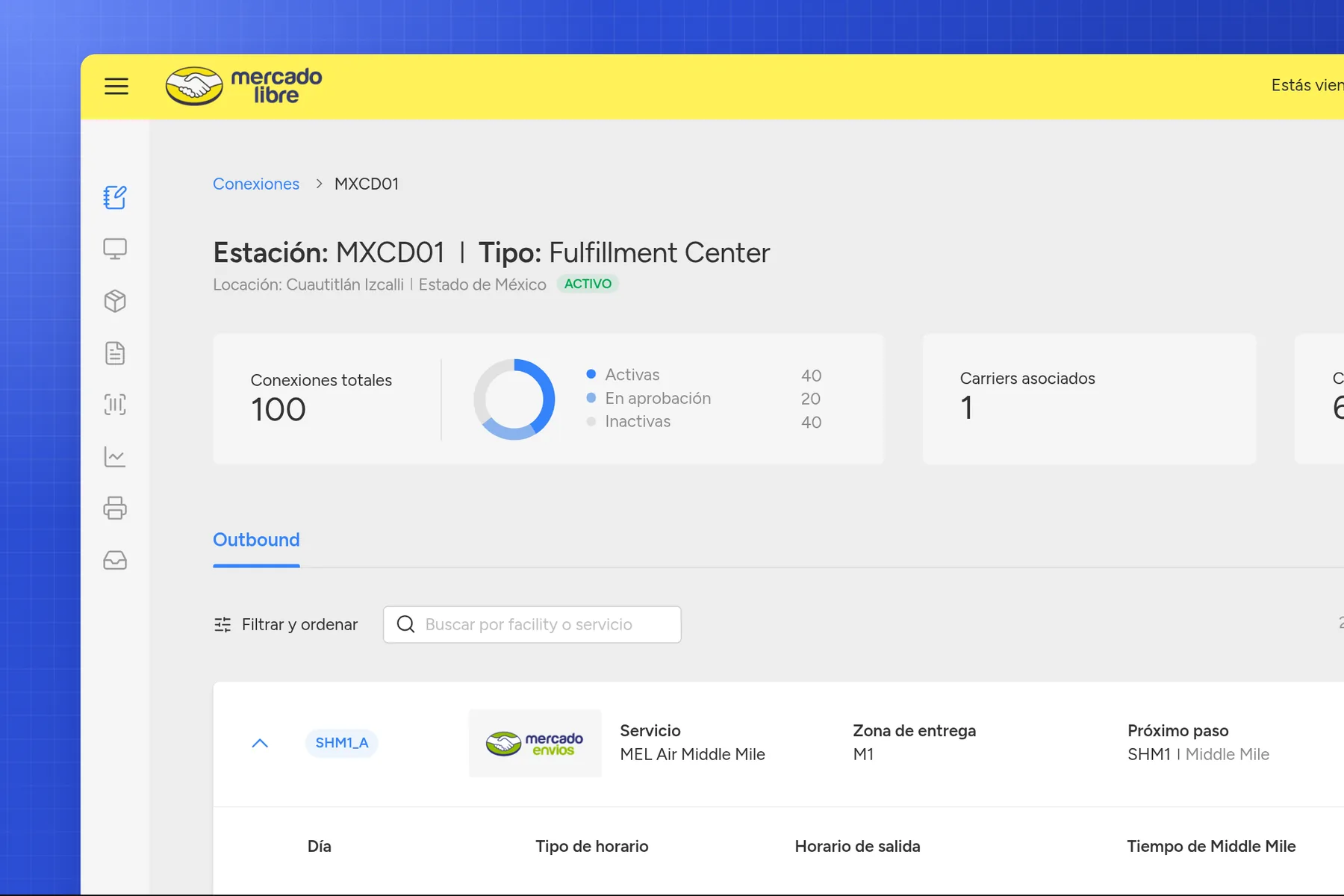
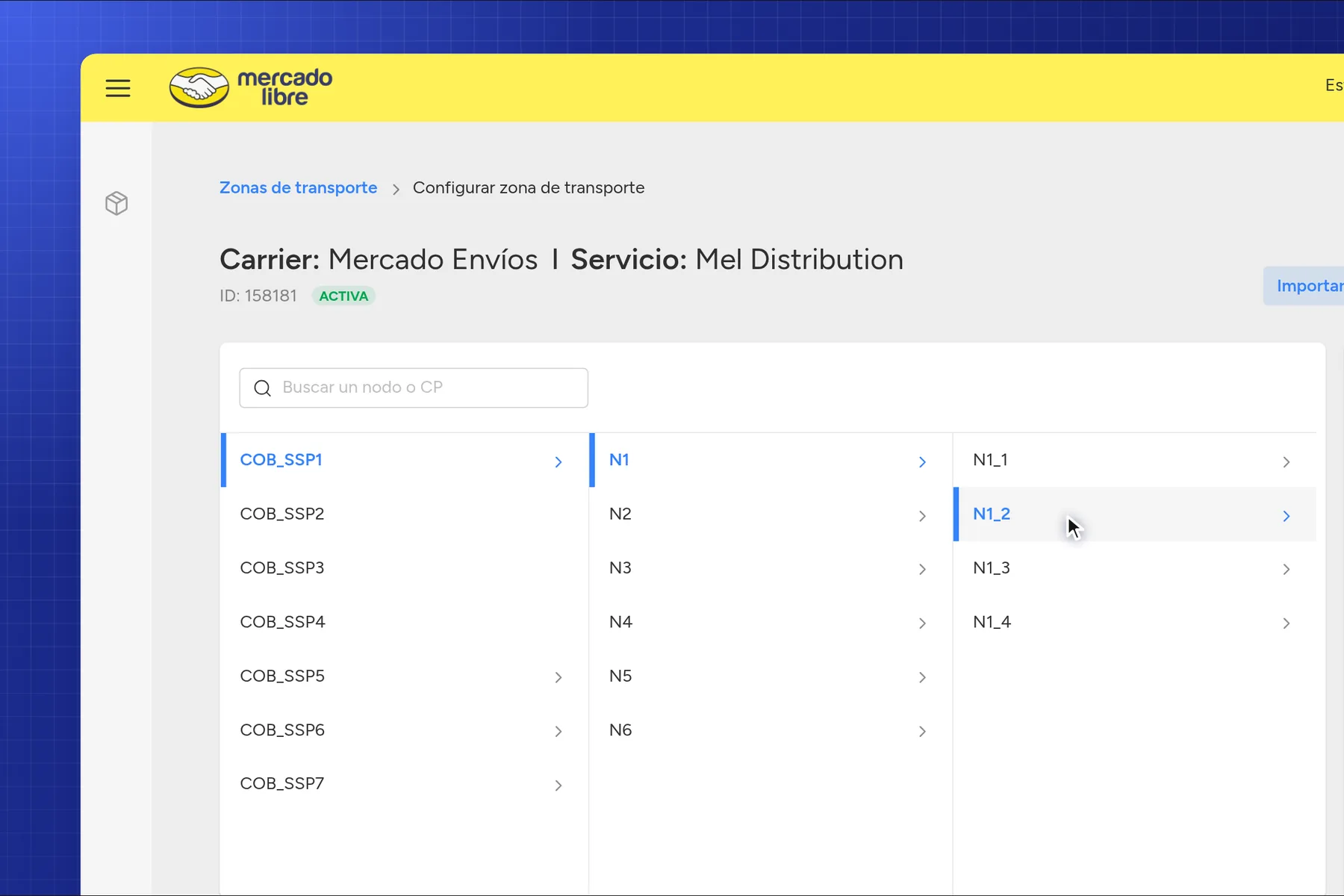
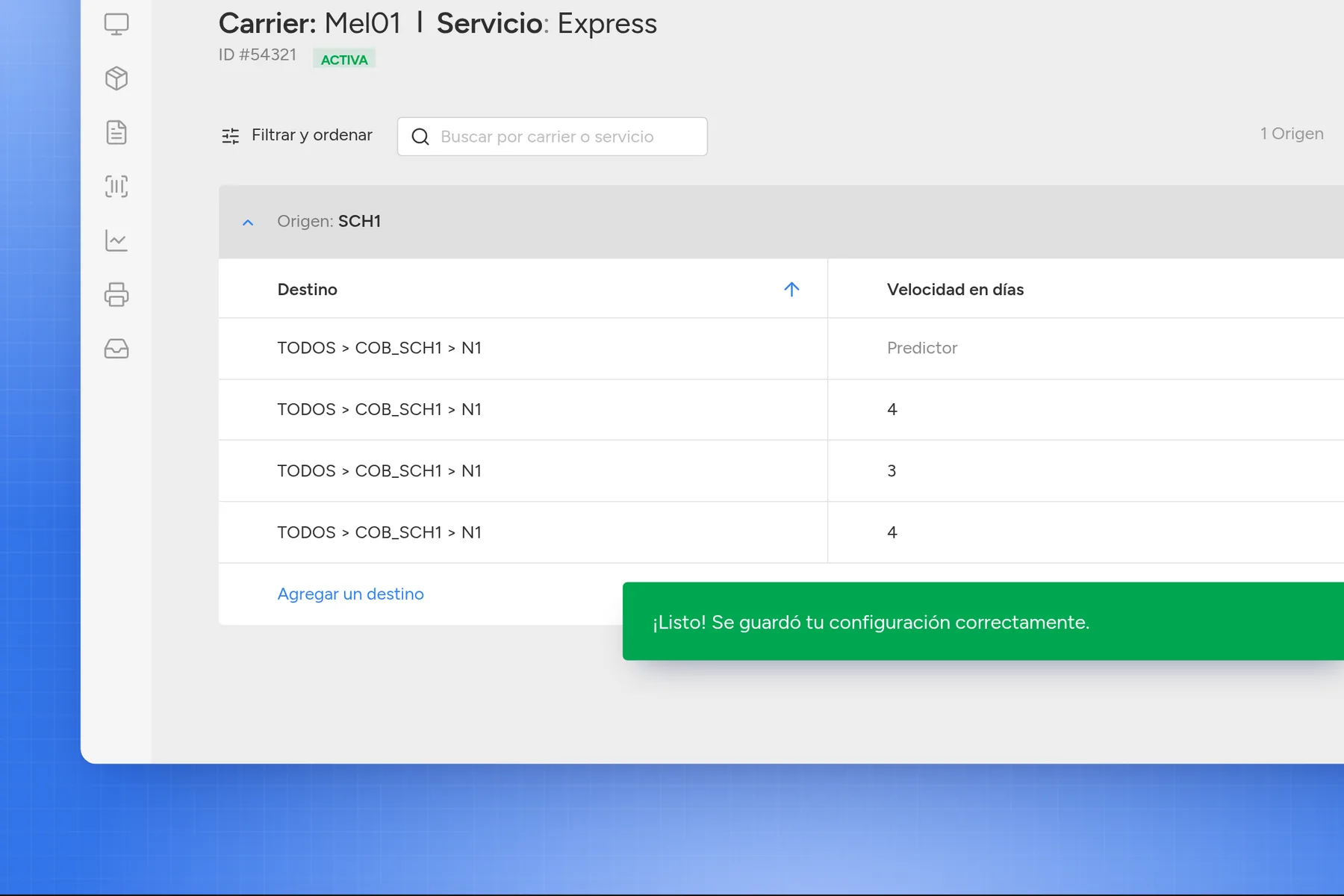
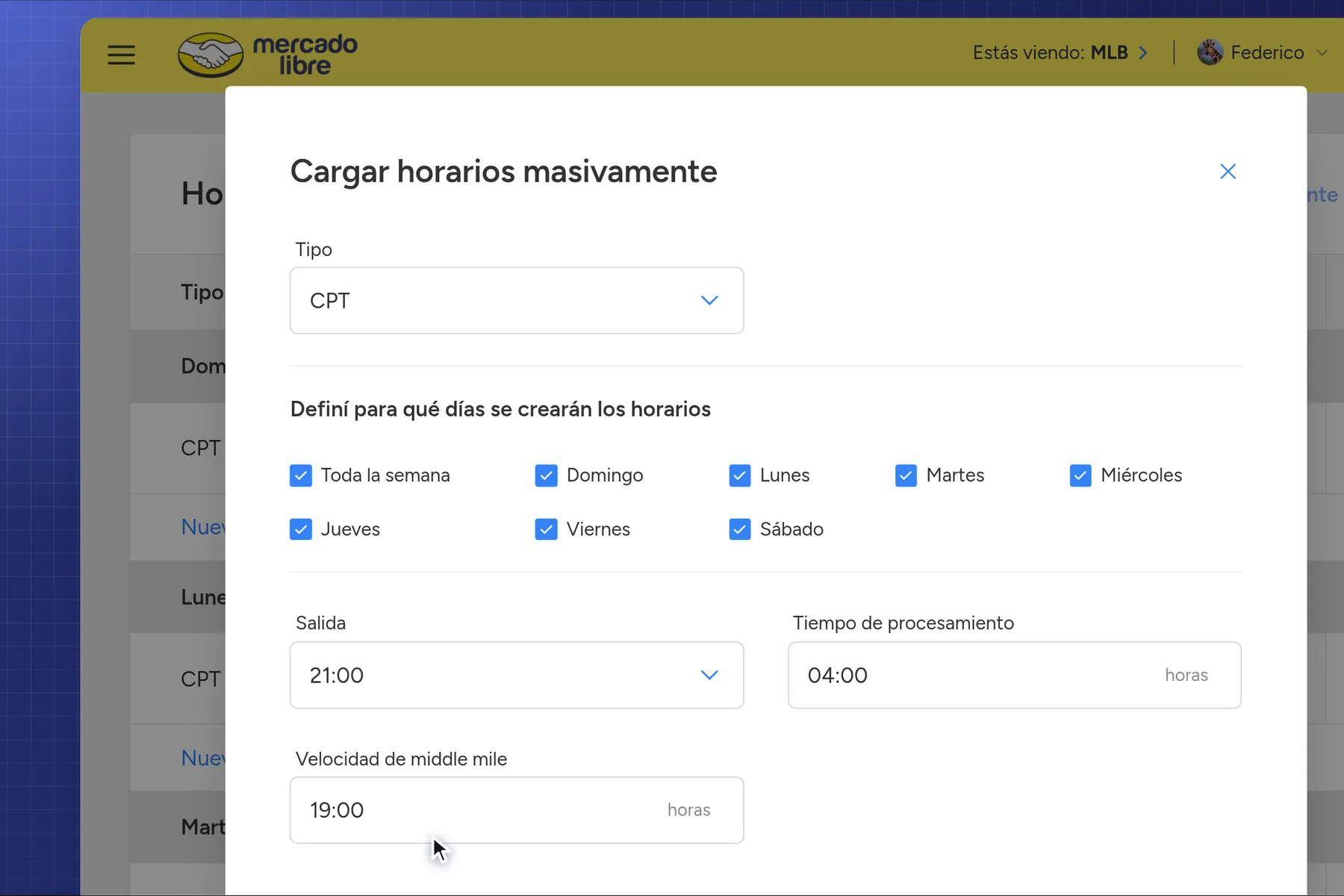
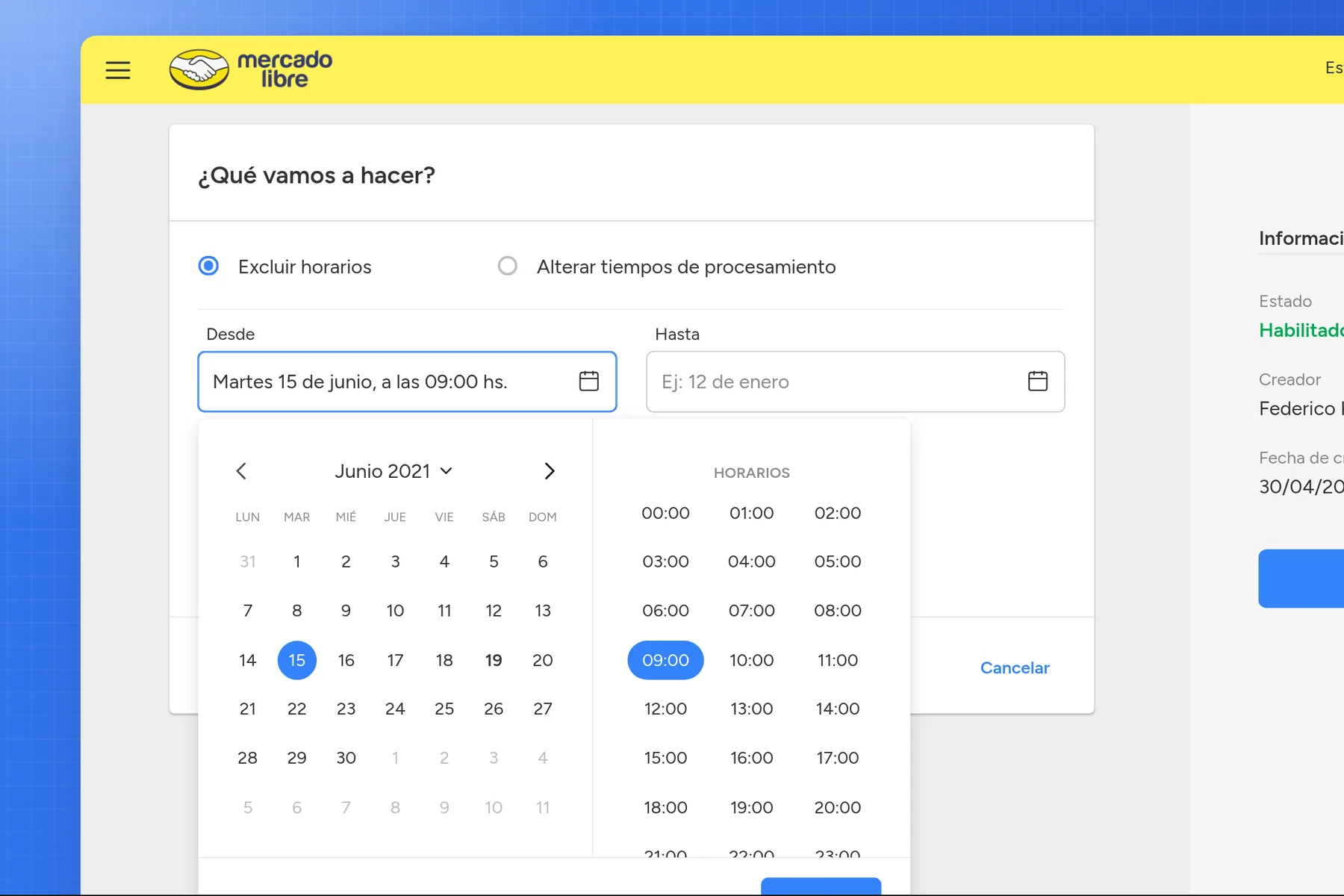
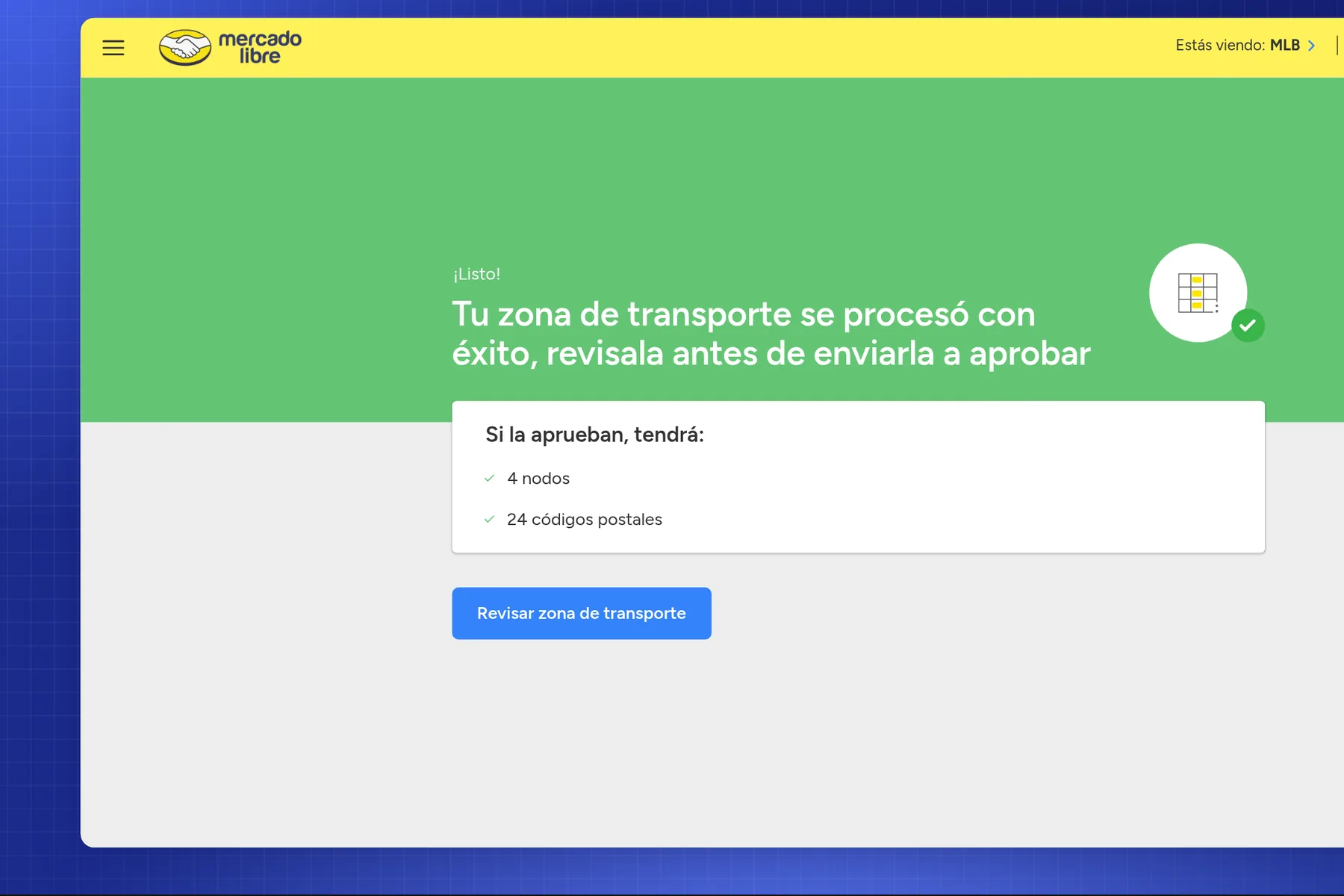
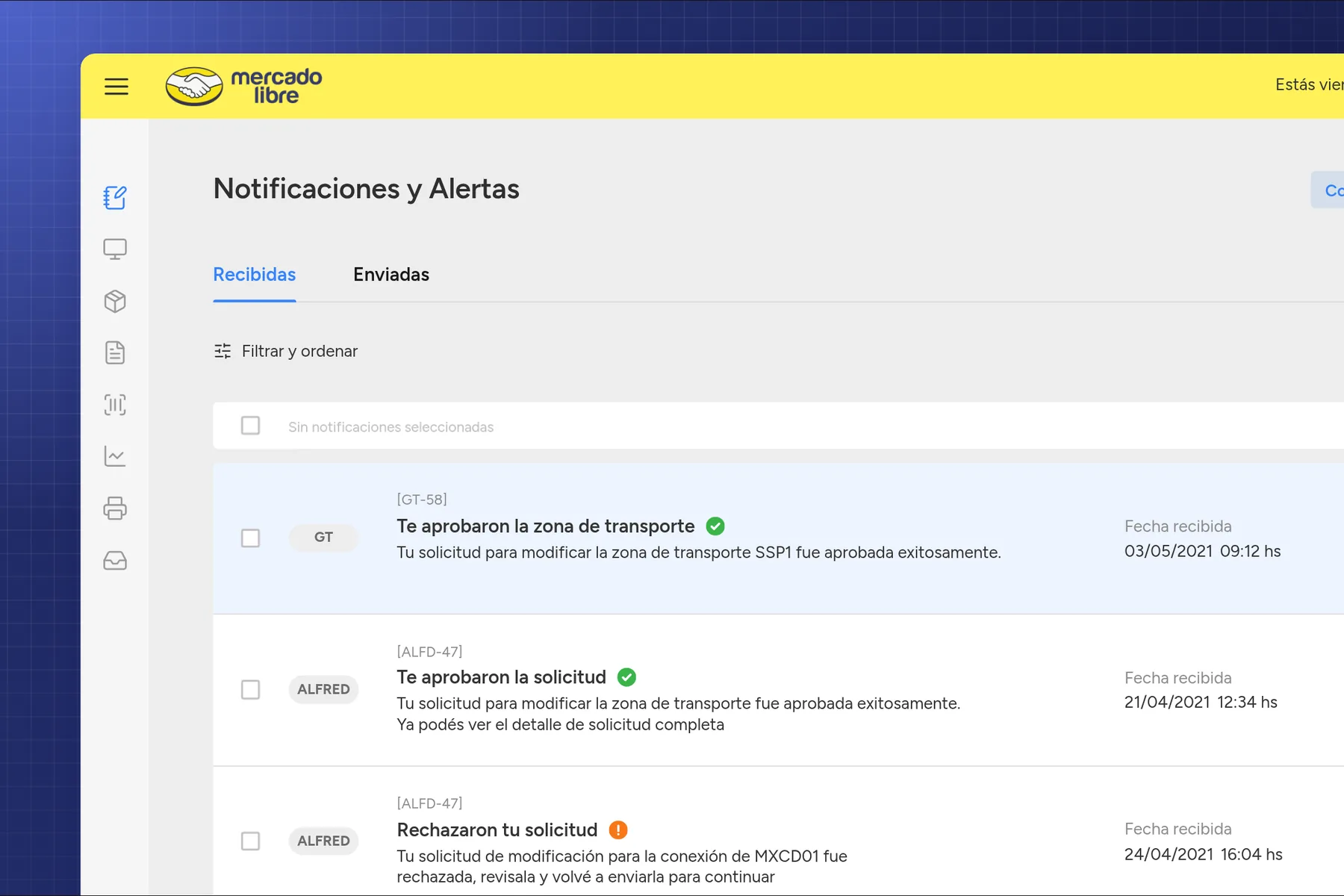
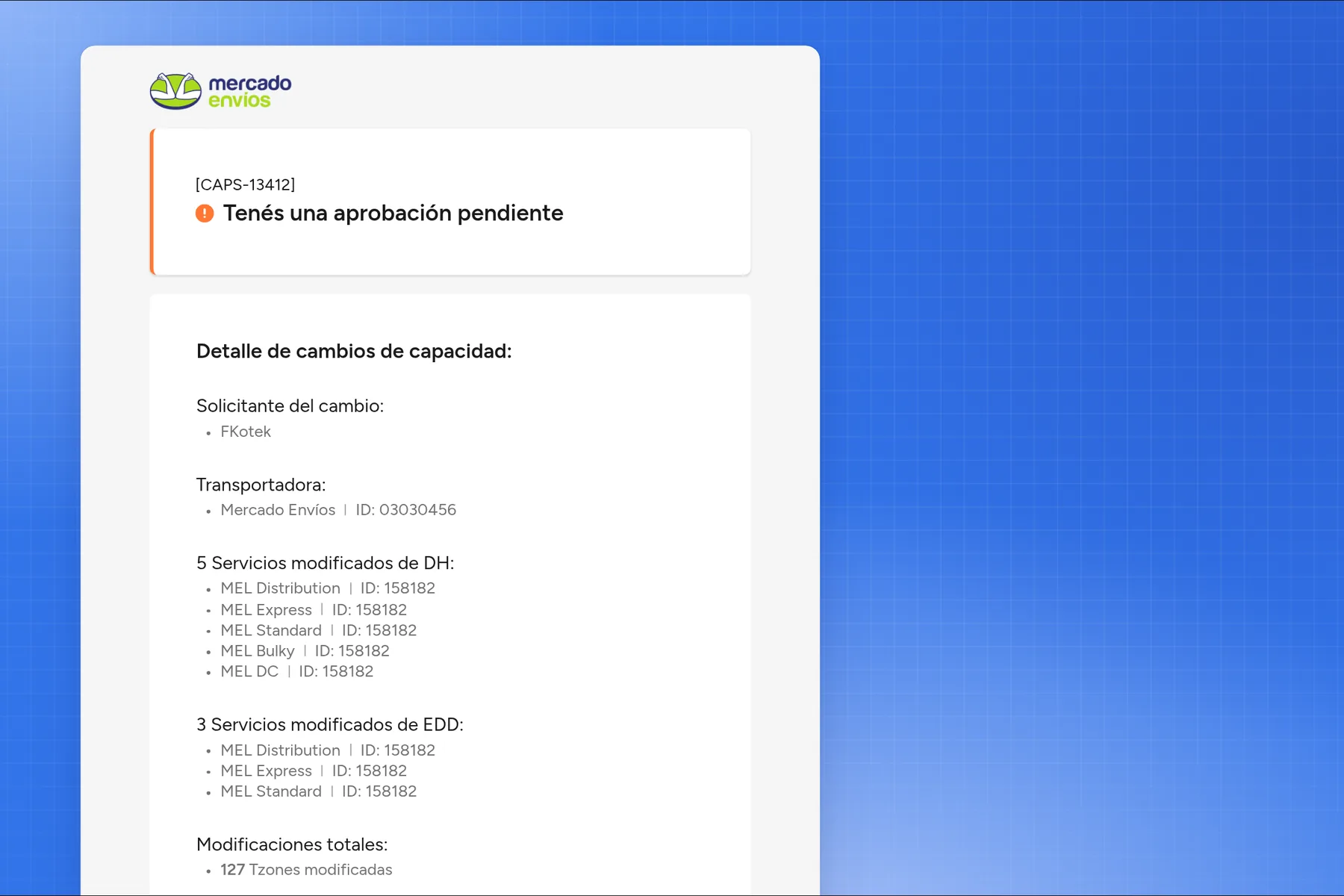
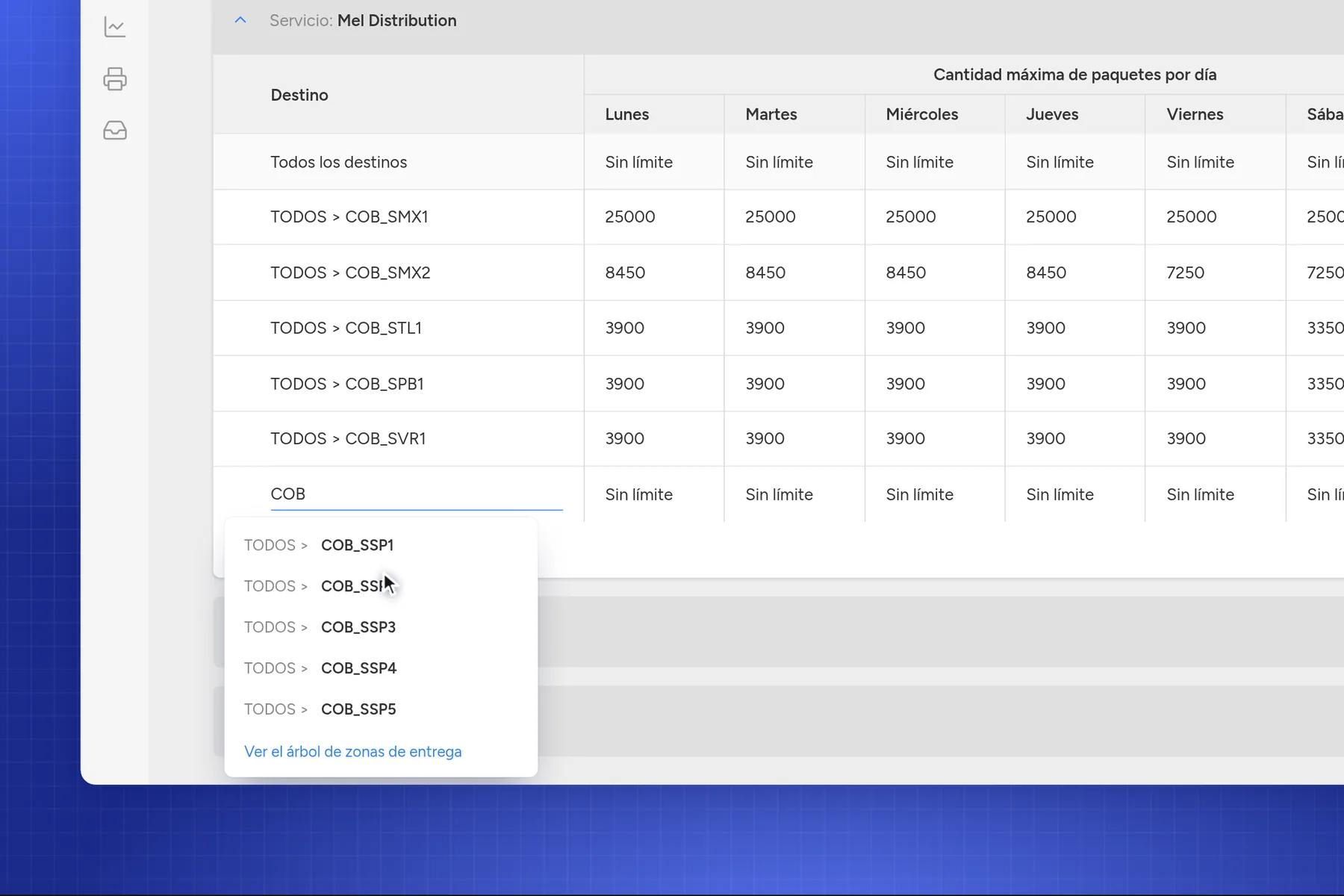
Alongside routing I designed GT, four internal tools for coverage, transit times, capacity and the connections between facilities. Setting up a new facility used to take eleven days, configured by hand in Excel. We gave the tools to the people running each region, and it went down to under three hours.
I was the only designer, with thirty developers, so I wrote very detailed specs: every table, every state a configuration can be in, and what happens on every click.
Things I make on my own time. Making them is how I learn fastest. All five are live, and each has a page of field notes on what I was after and what broke.
A typing game about the words people add to their prompts. A fake AI chat types something absurd, an anime cutscene realises what is missing, and you type “make no mistakes” as fast as you can.
A paper world built by many people. Someone draws something and leaves it a message, and it goes to live in a world other people walk through.
A design system drawn in ASCII: thirty-six components whose frames, fills and shadows are strings of characters. Plain HTML and CSS, no dependencies, MIT.
A playground of thirty live styles that turn video or images into dots, ASCII, LCD and more, plus an 8 KB web component that ships six of them.
Skincare recommendations read off each product’s formula, for the Argentine market. Built with my sister, an industrial chemist, on Next.js and Supabase.
Most of my prototypes now start in code, with a coding agent working next to me. This site was designed and built that way, down to the checks that keep it on the grid.
Design, systems and handoff.
Prototyping in code, and building this site.
Where the agent and I work on the same prototype.
Research and first drafts.
Motion, when a flow needs to move to make sense.
Thinking out loud with a team, before any screen.
The data behind The Routine.
Where this site and the side projects ship.
Where this site’s code lives, with the checks that keep it on the grid.
Federico Kotek · Product Designer · Buenos Aires
linkedin.com/in/federicokotek · fedekotek.design
Seventeen years (if you count the motion graphics). Most of it taught me that the interesting problems are the ones nobody wants to look at.
Acquired by Autodesk, 2026.
Before 2019: UX consulting at Possible for Siemens, Microsoft, Deutsche Bank, Adidas, MSC, DWS, Deka and TÜV SÜD, where the Siemens Global HR Award came from. Design and motion for Google Argentina at Marketinería across Think with Google, Google Transit, YouTube Kids and Google Primer. And four years of 3D architectural visualisation at ArX Solutions (which is where the eye for light and material started).
I like talking to people building almost anything: a tool for the shop floor, a bank, a map, a toy. If someone uses it and it gets in their way, I want to hear about it. Based in Buenos Aires. Write to me in English or Spanish (or Spanglish).